UtiliséHowoTrucks.comLe 25 avril 2026
Tableau des matières
Breaking: 1,32 milliard de dollars engagés le 24 avril 2026
Le 24 avril 2026, lors du Sommet Afrique que nous construisons à Nairobi, the Africa Finance Corporation (AFC) and the African Development Bank each committed $500 million toward the construction of a new 830-kilometre railway linking Zambia's copper mines to the Angolan port of LobitoL'Italie a confirmé séparément une contribution de 320 millions de dollars, portant le financement total annoncé en une seule journée à 1,32 milliard de dollars (Source: Reuters / Mining.com, 24 avril 2026).
Sameh Shenouda, directeur exécutif et directeur des investissements de l'AFC, a confirmé lors de la conférence que neuf ingénieurs,Les entrepreneurs en achats et en construction ont visité le site du projet en Zambie deux semaines plus tôtCes sociétés soumettront leurs offres d'ici la fin du mois de mai.Un entrepreneur EPC sera sélectionné d'ici juillet ou août 2026, et la mise en œuvre du projet devrait avoir lieu avant la fin de l'année ou au plus tard en janvier 2027.La ligne complète de 830 kilomètres a un coût total estimé à 5 milliards de dollars et devrait être achevée en 2030..
Pour les propriétaires de flottes, les entrepreneurs en construction et les opérateurs logistiques actifs dans la province du Nord-Ouest de la Zambie et Copperbelt,L'annonce du 24 avril est le signal le plus clair à ce jour que des dépenses importantes en infrastructure sont imminentes.La demande decamions déchargeurs HOWO 6x4 371HP utilisés pour des projets miniers en AfriqueLes travaux de préparation et de mise en place des voies à travers le corridor de 515 kilomètres s'intensifieront considérablement.
La construction du chemin de fer Zambie-Lobito
Le chemin de fer Zambie-Lobito est l'épine dorsale zambienne du corridor plus large de Lobito, le nouveau projet d'infrastructure de fret le plus important sur le plan stratégique en Afrique centrale et australe.Le corridor relie les mines de cuivre et de cobalt en Zambie et en République démocratique du Congo au port angolais de Lobito, sur la côte atlantique, via la route existante 1Il s'agit de la ligne Benguela de 300 kilomètres en Angola, qui a été réhabilitée dans le cadre d'un contrat distinct.
La composante zambienne implique la construction de 515 kilomètres de lignes ferroviaires entièrement nouvelles à partir de zéro à travers la province du Nord-Ouest et dans la ceinture de cuivre.Une nouvelle ligne de 315 km est prévue en RDCIl s'agirait du plus grand nouveau chemin de fer construit en Zambie depuis les années 1970, lorsque la Chine a financé et construit la ligne TAZARA allant à l'est jusqu'à Dar es Salaam.
Les États-Unis et l'Union européenne ont positionné le corridor Lobito comme une initiative phare pour assurer l'accès à des minéraux essentiels, le cuivre et le cobalt,en particulier essentiels pour les batteries des véhicules électriques et les industries de la défense et de l'aérospatialeLe PDG de l'AFC, Samaila Zubairu, a déclaré que le projet nécessite des engagements de fret annuels de 2,5 à 3 millions de tonnes pour être viable.avec une visibilité d'atteindre 5 millions de tonnes alors que la production de cuivre de la Zambie s'accélère vers son objectif national.
Calendrier de construction et offres d'entrepreneurs
Le projet est en cours d'avancement par le biais d'un processus d'approvisionnement structuré.Les offres sont à la fin du mois de mai.L'évaluation des entrepreneurs se déroulera pendant l'été nord, avec une sélection d'ici juillet ou août.,Il vise à être achevé en 2030.
L'évaluation de l'impact environnemental et social de la partie de la Zambie a été publiée par l'Agence de gestion de l'environnement de la Zambie le 3 avril 2026,confirmant l'estimation des coûts de 5 milliards de dollars et l'objectif d'achèvement pour 2030Cette publication représente une étape formelle dans la réglementation et ouvre la voie à la prochaine phase de l'approvisionnement.
Au cours des phases de préconstruction et des premiers travaux de construction civile, y compris l'établissement de camps, la construction de routes d'accès, les travaux de terrassement, le drainage,Les travaux de fondation des ponts et des ponts seront réalisés par le transport lourd routier.La fourniture de béton pour les fondations et les égouts des ponts rend possible la mise en place d'un système de production de béton.des camions HOWO 8x4 à béton 371HP utilisés pour des projets de constructionune configuration essentielle dès les premières étapes des travaux civils.
La ceinture de cuivre de Zambie: le contexte du transport
La Zambie est l'un des dix principaux producteurs mondiaux de cuivre. La production nationale a atteint 820 676 tonnes en 2024 une augmentation de 12% d'une année sur l'autre et est sur la bonne voie pour dépasser le million de tonnes d'ici la fin de 2025.L'objectif à long terme du gouvernement est de trois millions de tonnes par an., un chiffre qui sous-tend toute la logique commerciale du corridor ferroviaire de Lobito.
Les pôles miniers de Kitwe, Chingola, Solwezi et Ndola ancrent la province du Nord-Ouest et la province de la ceinture de cuivre de la Zambie.qui représentent ensemble la grande majorité de la production de cuivre du paysLes principaux opérateurs actifs dans la région comprennent First Quantum Minerals à Kansanshi et Sentinel, Glencore à Mopani, ZCCM-IH dans des coentreprises sur plusieurs sites, et KoBold Metals,qui développe un nouveau gisement de cuivre important et a signé un protocole d'accord avec AFC pour s'engager à transporter du fret dans le corridor de Lobito.
Jusqu'à ce que le chemin de fer soit opérationnel, tout le minerai, le concentré et le transport de fournitures dans cette région se font par la route.usine de transformationLa plateforme HOWO domine la flotte de travail dans les couloirs miniers de Zambie en raison de son coût d'acquisition abordable, de sa fiabilité du moteur prouvée,et un réseau de pièces bien établi à LusakaLes exploitants de flottes peuvent consulter l'inventaire actuel sur notre page dédiéecamions HOWO d'occasion à vendre en Zambie pour le transport de marchandises dans les mines de Copperbelt.
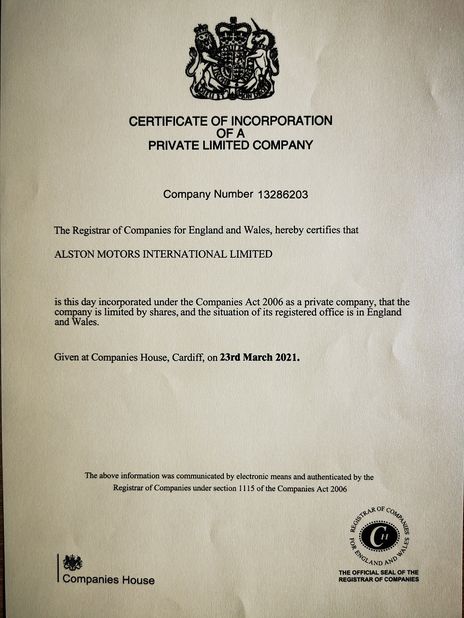
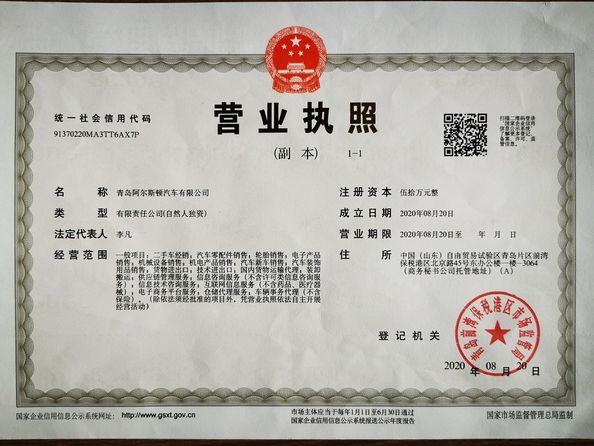
Qingdao Alston Motors Co., Ltd fournit aux acheteurs en Zambie et dans le sud de l'Afrique des camions HOWO d'occasion vérifiés avec une documentation d'exportation complète conforme au MOFCOM,avec des options de configuration adaptées aux normes zambiennes en matière de routes minières et aux exigences des routes de chargement Copperbelt.
Pourquoi cela stimule-t-il la demande de camions usagés
La construction ferroviaire à grande échelle de ce type génère une demande de camions sur trois phases distinctes, chacune avec des profils d'équipement différents.
Au coursaccès au site et établissement du camp- qui commence dès l'attribution de l'appel d'offres pour l'EPC - il est nécessaire de disposer de flottes de capteurs pour construire des routes d'accès, dégager et classer l'alignement des voies ferrées,et livrer des matériaux de construction aux camps situés sur le corridor de 515 kilomètresCette phase est déjà en cours de préparation: neuf entrepreneurs ont visité le site en Zambie en avril 2026.camions à basse vitesse HOWO d'occasion pour la construction routièrepour sécuriser les unités devant la fenêtre de mobilisation du site.
Au coursouvrages d'aménagement de voies ferrées actives et travaux civils la phase de construction primaire qui s'étendra de fin 2026 à 2030 les changements de demande vers le transport de granulats à volume élevé, la livraison de béton pour les ponts et les conduites,et fourniture de carburant aux installations et machines éloignéesLa logistique du diesel pour les camps à des centaines de kilomètres de la ville la plus prochecamions-citernes à carburant HOWO utilisés de 20 000 litres pour les chantiers de construction éloignésune catégorie de flotte essentielle dès le premier jour d'exploitation.
Au coursl'expansion concomitante des mines— running in parallel with railway construction as Zambia's copper operators scale toward the 3-million-tonne national target — road haulage of copper ore and concentrate between mine gates and processing facilities continues to growIl s'agit de la couche de demande soutenue et pluriannuelle qui anime les décisions d'investissement de flotte des entrepreneurs de transport zambiens.Trucks à tracteur HOWO A7 420HP 6x4 utilisés pour le transport de concentrés de cuivreLes remorques à plat sont la plate-forme standard pour ce travail de longue distance.
L'annonce de financement du 24 avril confirme que les trois phases de la demande sont maintenant sur un calendrier crédible.Les sous-traitants qui achètent des équipements dès maintenant avant le début de la mobilisation sur le site seront en avance sur la courbe des marchés publics lorsque les sous-traitants EPC seront attribués au second semestre 2026..
Comment les camions sont- ils adaptés au terrain de la Zambie?
Le terrain de la Zambie à travers la province du Nord-Ouest et la ceinture de cuivre combine des routes de transport en latérite, des passages d'eau, des pentes raides dans les zones minières et de longues autoroutes entre Solwezi, Kitwe,et LusakaLes surfaces routières varient de sections pavées bien entretenues sur les autoroutes T1 et T2 à des routes d'accès en gravier fortement dégradées sur les sites miniers et les couloirs ruraux.Les configurations suivantes sont les plus demandées:
Camions déchargeurs HOWO 6x4 d'occasion, 371 chLe moteur WD615 est bien connu des mécaniciens des villes de la ceinture de cuivre en Zambie.Les années de modèle 2015-2020 offrent le meilleur équilibre entre les prix, kilométrage et durée de vie restante.
Camions-tracteurs HOWO A7 6x4 d'occasion, 420 ch- préférée pour les mouvements de concentrés sur de longues distances et le transport de conteneurs de la porte de la mine à Lusaka ou à travers les frontières vers le Zimbabwe et la Tanzanie.La plateforme A7 offre une meilleure efficacité énergétique par rapport à la série HOWO 7 antérieure, un avantage significatif sur 400 à 600 kilomètres de course.
Les camions HOWO utilisés pour la dépoussiérage des routes minières sont équipés d'un dépoussiérage de 20 000 à 25 000 litres- essentiel sur les routes non pavées des sites miniers et pour l'approvisionnement en eau des camps de construction le long de l'alignement ferroviaire.La demande pour cette configuration augmente fortement au début du projet à mesure que les routes d'accès sont gradées et que l'infrastructure du camp est établie.
Camions-citernes de carburant HOWO usagés- l'approvisionnement en diesel pour les sites éloignés le long de l'alignement de 515 kilomètres.L'infrastructure des camps située à une distance de 100 à 300 kilomètres du dépôt de carburant le plus proche nécessite un soutien spécial des camions-citernes dès le premier jour de mobilisation sur le site..
Conseils pratiques pour les opérateurs zambiens
La Zambie importe des camions d'occasion principalement par Dar es Salaam en Tanzanie et Durban en Afrique du Sud.Les acheteurs doivent tenir compte des délais de transit de 35 à 50 jours de Qingdao à Dar es Salaam et de 30 à 45 jours à Durban., plus 10 à 15 jours supplémentaires pour le dédouanement et le transport routier vers Lusaka ou la ceinture de cuivre.
Les règlements d'exportation du MOFCOM de janvier 2026 de la Chine exigent que tout véhicule exporté en état d'usage ait été immatriculé en Chine pendant au moins 180 jours avant la présentation de la demande d'exportation.Les camions immatriculés avant juillet 2025 sont donc immédiatement exportésLes acheteurs qui passent commande dès maintenant pourront recevoir des camions dans les destinations zambiennes au troisième trimestre 2026 avant la clôture de la période d'attribution des contrats EPC et le début de la mobilisation sur le site.
Pour les commandes de plusieurs unités de cinq camions ou plus, Qingdao Alston Motors Co., Ltd recommande une inspection avant expédition par un inspecteur indépendant en Chine, couvrant l'état du moteur,intégrité du châssis, la vérification du kilométrage et la vérification croisée de la documentation avec les dossiers de conformité des exportations du MOFCOM.Cette étape permet d'éliminer le risque le plus courant dans l'approvisionnement en camions usagés et d'assurer le dédouanement complet au port d'entrée sans délai.
Les acheteurs ciblant des sous-traitants de construction ferroviaire devraient privilégier les années de modèle 2016-2019 en configuration 6x4 avec un kilométrage vérifié inférieur à 300 000 kilomètres.Ces unités offrent une durée de vie complète restante sur un programme de construction de quatre ans tout en maintenant le coût d'acquisition bien inférieur au prix équivalent du nouveau camionSur les conditions des routes minières en Zambie,le coût total de possession sur un cycle de vie de quatre ans du projet favorise systématiquement les unités HOWO utilisées par rapport aux nouvelles alternatives européennes à une prime de deux à trois fois le prix.
Le corridor Lobito s'étend sur trois pays, et la demande de flotte sera active dans tous.camions HOWO utilisés pour le transport de l'extraction du cobalt en RDC entre Kitwe et KolweziPour le terminal de l'Atlantique,camions HOWO utilisés pour la logistique et le transport lourd dans les ports d'Angola Lobitocouvre les opérateurs basés à l'extrémité d'exportation de la ligne ferroviaire.camions HOWO utilisés au Zimbabwe pour le transport de marchandises longue distance sur le corridor de la Zambieest la référence pertinente pour les opérateurs exploitant des services transfrontaliers entre Lusaka et Harare ou Beitbridge.
Les sources

 Votre message doit contenir entre 20 et 3 000 caractères!
 French