Quel est le meilleur camion tracteur HOWO d'occasion pour le transport de conteneurs en Afrique ?
Le camion tracteur HOWO le mieux utilisé pour le transport de conteneurs en Afrique est un modèle 6x4 remis à neuf avec 380 HP ou 400 HP, conforme aux règles locales LHD/RHD, avec sellette d'attelage vérifiée, châssis inspecté et documents prêts à l'exportation.
1. Pourquoi le transport de conteneurs en Afrique a besoin du bon camion tracteur
Pour le transport de conteneurs africains, le camion tracteur n’est pas qu’un simple véhicule portuaire. Selon une analyse des transports de la Banque africaine de développement, le transport routier assure environ 80 % du mouvement des marchandises en Afrique, de sorte que la plupart des conteneurs nécessitent encore un long transport par camion intérieur après le déchargement du navire.
Un camion allant de Mombasa à Kampala, de Dar es Salaam à la Zambie ou de Tema à Kumasi peut parcourir 300 à 1 000 km après avoir quitté le port. Cette distance rend le refroidissement du moteur, le freinage, l’état des essieux et la stabilité de la sellette d’attelage plus importants que le choix de l’unité la moins chère.
Les données de la Banque mondiale sur le trafic des ports à conteneurs montrent que le débit mondial des ports à conteneurs a atteint environ 839,8 millions d'EVP en 2022. Pour les acheteurs africains, cela signifie que la logistique des conteneurs fait partie d'un système mondial à volume élevé dans lequel les retards des camions peuvent rapidement créer des embouteillages dans les gares, des surestaries et des délais de livraison manqués.
Pour les acheteurs comparantcamion tracteur HOWO d'occasionoptions, le meilleur choix doit correspondre à 5 facteurs : le poids du conteneur, la distance de l'itinéraire, la pente de la route, le côté de direction et la disponibilité des pièces. Un camion transportant des conteneurs à seulement 50 km du port nécessite une configuration différente de celle qui circule à 800 km à l’intérieur des terres.
2. Exigences clés pour un camion tracteur HOWO d'occasion dans la logistique portuaire
Un bon tracteur logistique portuaire doit avoir suffisamment de couple, des freins stables, une accumulation de pression d'air propre et une sellette d'attelage solide. De nombreuses routes reliant un port à une ville ne font que 20 à 300 km, mais les cycles quotidiens répétés exercent de lourdes contraintes sur l'embrayage, le système de refroidissement, les récepteurs de frein et les conduites d'air.
La sellette d’attelage doit être considérée comme un élément de sécurité et non comme un petit accessoire. Un conteneur standard de 40 pieds peut atteindre un poids brut maximum d'environ 30 480 kg. Des mâchoires de verrouillage usées ou des boulons de montage desserrés peuvent donc créer de sérieux risques lors des virages, de la montée de la rampe ou des mouvements inégaux du chantier.
Un bien préparécamion HOWO remis à neufdoit comprendre au moins 8 points d'inspection : moteur, boîte de vitesses, embrayage, essieux, châssis, freins, système pneumatique et sellette d'attelage. Ces contrôles donnent aux acheteurs des informations plus utiles que l’état de la peinture ou l’année modèle uniquement.
Pour le travail des conteneurs autour du port de Lagos Apapa, Mombasa, Dar es Salaam, Tema ou Durban, les camions sont souvent confrontés au ralenti, à la circulation, à la chaleur, aux routes d'accès difficiles et aux zones de virage serrées. C'est pourquoi les performances de refroidissement, la réponse de la direction et la récupération des freins sont importantes au cours des 30 premiers jours de fonctionnement.
3. Meilleures options de puissance du moteur : 371 ch, 380 ch ou 400 ch ?
Pour les livraisons portuaires courtes et les itinéraires de conteneurs plus légers, 371 CV suffisent généralement. Il convient aux itinéraires pavés de moins de 300 km, aux charges modérées et aux pentes inférieures à environ 8 %, en particulier lorsque le camion dessert principalement des zones industrielles, des entrepôts et des terminaux intérieurs à proximité.
Pour les travaux mixtes sur autoroutes et corridors régionaux, le modèle 380 CV constitue souvent le choix intermédiaire le plus sûr. Les itinéraires de plus de 500 km ou les pentes d'environ 8 à 12 % nécessitent généralement une plus grande réserve de traction, ce qui contribue à réduire la pression de changement de vitesse entre les ports, les ports secs, les villes frontalières et les dépôts intérieurs.
Pour les conteneurs plus lourds, les régions chaudes ou les itinéraires plus longs, 400 CV offrent une marge de performance plus forte. Dans de nombreux cas d'achat en Afrique, les itinéraires supérieurs à 800 km ou les températures de travail supérieures à 35 °C rendent la réserve de puissance plus élevée utile pour la protection de la transmission, la stabilité de la vitesse et le fonctionnement répété à pleine charge.
La meilleure puissance n’est pas toujours le nombre le plus élevé. Un camion de 371 CV peut être efficace à proximité du port, tandis qu'un camion de 380 CV ou 400 CV est préférable pour les couloirs intérieurs. Les acheteurs doivent faire correspondre la puissance à la distance parcourue, au modèle de chargement, au coût du carburant et au kilométrage mensuel prévu.
4. 6x4 vs 4x2 : quelle configuration est la meilleure pour le transport de conteneurs ?
Pour la plupart des routes de conteneurs africaines, le 6x4 est la solution par défaut la plus sûre. Un tracteur 6x4 possède 2 essieux arrière moteurs au lieu de 1, offrant une meilleure traction sur les chantiers humides, les routes portuaires accidentées, les entrées de dépôts non pavées et les couloirs intérieurs endommagés par la pluie ou le trafic de marchandises intense.
Un tracteur 4x2 peut fonctionner lorsque les itinéraires sont propres, pavés, courts et légèrement chargés. Il est plus adapté aux itinéraires contrôlés de port à ville de moins de 300 km, mais il offre moins de marge de traction avec des conteneurs de 40 pieds, des accotements souples, des sections en montée ou des chantiers boueux.
Pour les acheteurs qui examinentCamion tracteur HOWO 6x4d'origine, la configuration 6x4 offre une meilleure répartition de la charge et des performances sur le terrain plus indulgentes. Cela est important dans des pays comme la Tanzanie, le Kenya, le Ghana, le Nigeria, la Zambie et le Zimbabwe, où la qualité des routes peut changer dans un rayon de 100 km.
Le choix pratique est simple : choisir le 4x2 uniquement pour les itinéraires contrôlés du port à la ville, et choisir le 6x4 pour le travail mixte en Afrique. Si un camion doit assurer à la fois les dépôts à conteneurs et la livraison intérieure, le 6x4 offre généralement une meilleure marge opérationnelle sur 12 mois.
5. LHD ou RHD : comment choisir pour différents marchés africains
Le côté direction doit suivre les règles de conduite locales, et non la disponibilité des stocks. Le Nigeria, le Ghana, l'Angola, le Rwanda et la Côte d'Ivoire utilisent principalement des véhicules à conduite à droite, tandis que le Kenya, la Tanzanie, la Zambie, le Zimbabwe, l'Ouganda et l'Afrique du Sud exigent normalement des véhicules à conduite à droite pour un positionnement routier plus sûr et un enregistrement plus facile.
Les marchés RHD nécessitent un approvisionnement plus strict car les unités disponibles sont généralement inférieures au stock LHD. Les acheteurs doivent confirmer 4 éléments avant le paiement : position de pilotage, disposition du tableau de bord, documents VIN et qualité de la conversion si le camion a été modifié par rapport à sa configuration d'origine.
Les marchés LHD offrent souvent plus de choix de camions tracteurs HOWO d'occasion de 371 HP, 380 HP et 400 HP. Une offre plus large facilite la comparaison du kilométrage, de l'état du moteur, de l'état de la cabine, du type de boîte de vitesses et du calendrier de livraison avant de choisir un camion pour la logistique des conteneurs.
Une mauvaise sélection du côté de la direction peut créer des problèmes allant au-delà du confort de conduite. Cela peut affecter le dédouanement, le contrôle technique, la valeur de revente et l'acceptation de l'assurance. Pour un plan de flotte de 3 à 5 ans, une bonne adéquation LHD/RHD est plus importante que d'économiser une petite somme sur le prix d'achat.
6. Que vérifier avant d'acheter un camion tracteur HOWO d'occasion
L'inspection doit commencer par les pièces qui transportent la charge et arrêtent le véhicule. Au minimum, vérifiez 10 domaines : moteur, boîte de vitesses, embrayage, essieux, châssis, freins, système pneumatique, système électrique, sellette d'attelage et pneus avant de juger le camion par la peinture ou les garnitures de la cabine.
L’état du châssis et des essieux est plus important que l’apparence extérieure. Une petite fissure de châssis ou un différentiel faible peut coûter plus de 10 réparations esthétiques, en particulier lorsque le camion travaille avec des conteneurs lourds, des freinages répétés et des vibrations de la route difficiles sur les routes intérieures africaines.
Une liste de contrôle pratique d'inspection des camions d'occasion devrait inclure une vidéo de démarrage à froid, une vérification de la fumée d'échappement, un examen des fuites d'huile, le temps de montée en pression de l'air, la réponse des freins, le code de date des pneus, un test de blocage de la sellette d'attelage et des images d'essai routier avant expédition.
Les acheteurs doivent également demander au moins 3 groupes de photos : dessous du châssis, compartiment moteur et zone de montage de la sellette d'attelage. Ces images révèlent plus de risques opérationnels que les photos extérieures soignées, en particulier pour les camions qui fonctionneront 20 à 26 jours par mois.
7. Pourquoi la qualité de la rénovation est plus importante que le prix le plus bas
Le prix d'achat le plus bas peut devenir cher après l'arrivée. Une réparation majeure d'un moteur, d'une boîte de vitesses, d'un embrayage ou d'un essieu peut coûter plusieurs milliers de dollars américains, et 7 à 14 jours d'arrêt peuvent nuire davantage aux délais de livraison des conteneurs qu'une petite différence de prix à l'achat.
Une véritable rénovation doit être d’abord mécanique et ensuite esthétique. La repeinture peut prendre seulement 2 à 3 jours, mais une inspection appropriée des freins, des tests du moteur, une réparation du système pneumatique et un examen du châssis peuvent déterminer si le camion fonctionnera de manière fiable au cours des 6 à 12 prochains mois.
La préparation à l’exportation affecte également le risque de livraison. Un document manquant peut retarder le dédouanement de plusieurs jours, les acheteurs doivent donc vérifier la facture commerciale, la liste de colisage, le connaissement, le certificat d'origine, le numéro de châssis et les dossiers d'inspection avant le départ du navire.
Pour le sourcing des acheteurs africainscamions HOWO d'occasion, la question la plus utile n’est pas « Quel camion est le moins cher ? » mais "Quel camion peut parcourir l'itinéraire avec moins de réparations ?" Il est plus facile de répondre à cette question lorsque les dossiers de remise à neuf et les vidéos de tests sont disponibles.
8. Recommandation finale : Le camion tracteur HOWO le mieux utilisé pour le transport de conteneurs africains
Pour la plupart des transports de conteneurs en Afrique, la meilleure option polyvalente est un camion tracteur HOWO 6x4 remis à neuf de 380 ou 400 CV. Il peut couvrir des livraisons portuaires courtes et des travaux de corridor intérieur plus longs de 500 à 1 000 km avec une meilleure traction et une réserve de traction plus forte.
Pour des travaux plus légers à proximité des ports, le 371HP reste une option pratique. Si l'itinéraire est en grande partie pavé, inférieur à 300 km et peu chargé à chaque trajet, 371 CV peuvent réduire le coût d'achat et la pression du carburant tout en continuant à gérer la livraison de conteneurs standard.
Pour les marchés mixtes tels que la Tanzanie, le Kenya, le Ghana, le Nigeria, la Zambie et le Zimbabwe, le 6x4 avec le bon côté de direction est généralement la spécification la plus sûre. Il offre une meilleure traction, une meilleure valeur de revente et une flexibilité opérationnelle lorsqu'un camion doit gérer différents itinéraires et poids de chargement.
La décision finale doit suivre 5 contrôles : distance de l'itinéraire, poids du conteneur, pente de la route, règle LHD/RHD et norme de rénovation. Un camion correspondant à ces 5 conditions fonctionnera généralement mieux qu'une unité moins chère choisie uniquement en fonction de l'année, de la peinture ou de la puissance annoncée.
Les acheteurs peuvent comparer les options de camions tracteurs HOWO 6x4 d'occasion de 371 HP, 380 HP et 400 HP disponibles en fonction du pays de destination, de l'itinéraire du conteneur, du côté de la direction et du calendrier d'expédition avant de confirmer les spécifications finales.
FAQ
1. 371 CV sont-ils suffisants pour le transport de conteneurs ?
Oui. Il convient aux itinéraires pavés de moins de 300 km et aux charges modérées.
2. 380 HP est-il meilleur que 371 HP ?
Oui, pour les parcours supérieurs à 500 km ou les dénivelés mixtes.
3. Quand les acheteurs doivent-ils choisir 400 HP ?
Pour conteneurs lourds, régions chaudes, collines ou parcours de 800 km.
4. Le 6x4 est-il meilleur que le 4x2 en Afrique ?
Généralement oui. Le 6x4 a 2 essieux arrière moteurs.
5. Quels pays ont besoin de camions RHD ?
Kenya, Tanzanie, Zambie, Zimbabwe, Ouganda et Afrique du Sud.
6. Quels pays utilisent habituellement des camions LHD ?
Nigeria, Ghana, Angola, Rwanda et Côte d'Ivoire.
7. Que faut-il inspecter en premier ?
Moteur, châssis, boîte de vitesses, freins, essieux et sellette d'attelage.
8. Une nouvelle peinture équivaut-elle à une rénovation ?
Non. Une véritable remise à neuf nécessite une inspection et une réparation mécaniques.
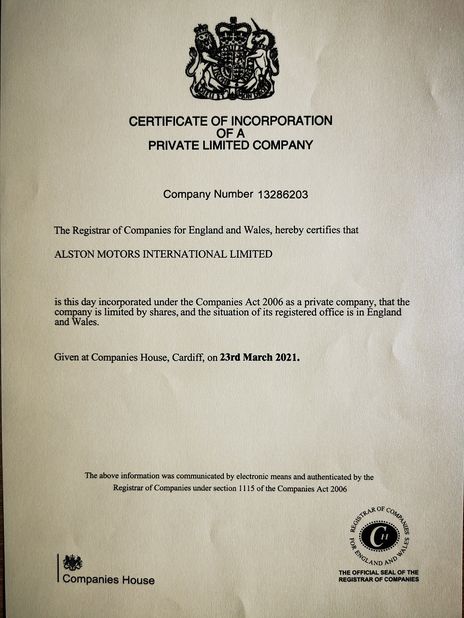
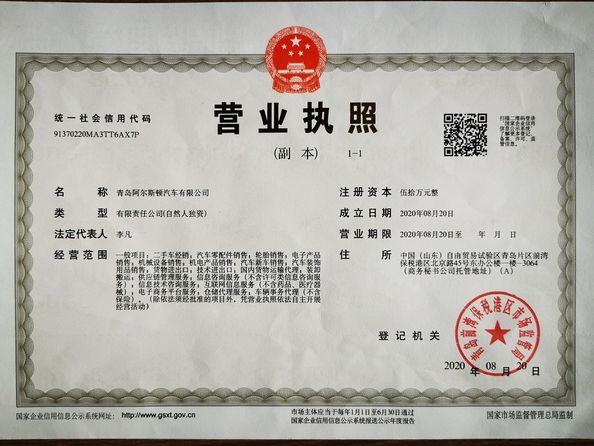
Écrit par : l’équipe éditoriale d’Alston Motors
Révisé par : Équipe d'exportation et technique
Entreprise: Qingdao Alston Motors Co., Ltd
À propos de l’équipe éditoriale d’Alston Motors :
L'équipe éditoriale d'Alston Motors partage des informations pratiques sur les camions, semi-remorques, véhicules utilitaires, voitures d'occasion et solutions d'exportation HOWO remis à neuf pour l'Afrique et d'autres marchés en développement. Le contenu est basé sur l'expérience de l'entreprise en matière d'inspection des véhicules, de remise à neuf, de coordination des exportations, de support en matière de pièces de rechange et de service client pour les acheteurs étrangers.

 Votre message doit contenir entre 20 et 3 000 caractères!
 French