Qu'est-ce que les acheteurs doivent vérifier avant d'acheter un camion-citerne HOWO utilisé pour les projets de construction?
Avant d' acheter unecamion de réservoir d'eau HOWO utilisépour les projets de construction, vérifier que la capacité de son réservoir correspond à la demande quotidienne d'eau, puis inspecter le groupe motopropulseur, le réservoir, les déflecteurs, le châssis, la pompe, le PTO, le système de pulvérisation, les freins, les pneus,et performances d'essai routier sous chargeLe bon camion est celui dont l'état de fonctionnement et la capacité de livraison d'eau sont prouvés avant l'expédition.
1. Adaptez la capacité des réservoirs et la configuration des camions à la demande quotidienne d'eau du projet
La capacité du réservoir doit correspondre à la consommation quotidienne d'eau, à la distance de remplissage, à l'accès au site et à la capacité de charge du châssis, plutôt que d'être simplement aussi grande que possible.La pulvérisation des routes, le contrôle de l'humidité du sol, l'approvisionnement en eau temporaire et la suppression de la poussière imposent des exigences différentes au même camion.
Une unité de 10 000L ¥ 15 000L est plus facile à manœuvrer sur des sites plus serrés, tandis que les configurations de 15 000L ¥ 20 000L réduisent la fréquence de remplissage sur les grands projets.000 litres d'eau pèsent environ une tonne métrique, une charge de 20 000 litres ajoute environ 20 tonnes avant de prendre en compte la carrosserie du réservoir et les autres équipements.
| Condition du projet |
Configuration pratique |
Contrôle d'achat principal |
| Site de construction à étroite distance |
10,000L ¥ 15 000L |
Manœuvrabilité et accès au remplissage |
| Construction de routes |
1520 000 L |
Couverture par pulvérisation et charge de l'essieu |
| Travaux d'infrastructure à distance |
1520 000 L |
Distance de remplissage et demande quotidienne |
| Routes d'accès accidentées |
Chassis 6x4 pour véhicules lourds |
Suspension, pneus et dégagement au sol |
Disponiblecamions-citernes HOWO utilisésIl convient donc de comparer la capacité, la configuration du châssis, les spécifications de la pompe et l'état de fonctionnement vérifié.
2. Vérifiez le moteur, la transmission et la conduite pour un fonctionnement fiable à pleine charge
Le groupe motopropulseur doit rester stable sous une charge d'eau réaliste, car un camion vide peut cacher des problèmes d'embrayage, de refroidissement, de transmission et d'essieu arrière.Un camion d'eau de construction doit démarrer correctement, changer constamment, maintenir une température de fonctionnement normale et tirer sans vibrations fortes ou fumée anormale.
Commencez le moteur à froid lorsque cela est possible. Vérifiez le soufflage, la couleur des gaz d'échappement, l'huile moteur, l'état du liquide de refroidissement, le bruit du turbocompresseur, l'engagement de l'embrayage, le changement de boîte de vitesses, le jeu de l'arbre d'hélice et le bruit du différentiel.Pendant l'accélération et les pistes normales, la puissance doit rester progressive plutôt que de chuter fortement à mesure que la charge augmente.
La fumée bleue persistante, les coups forts, les glissements d'embrayage, le bruit anormal de la boîte de vitesses, la surchauffe ou les fortes vibrations de la transmission doivent être corrigés avant l'achat.Ces réparations peuvent coûter beaucoup plus cher qu'une rénovation esthétique après l'arrivée du camion sur un chantier à l'étranger.
3- Inspecter le réservoir d'eau pour les fuites, la corrosion, les fissures et les réparations antérieures
Le réservoir doit rester structurellement solide et étanche à sa coque, ses coutures de soudure, ses plaques d'extrémité, son fossé, ses sorties et les zones précédemment réparées.Un châssis fiable n'est d'aucune utilité si le réservoir ne peut pas transporter et décharger l'eau sans fuite.
Vérifiez les coutures de soudure, les connexions de sortie, les supports d'échelle, les bords de la fente d'échappement, les sections arrière,et les zones repeintes pour les traces de rouille, fissuration, déformation ou patchage répété.
Si un fournisseur cite une spécification de plaque de 4 ̊5 mm, considérez-la comme une spécification originale plutôt que comme une preuve de l'état actuel.les vannesDes fuites fraîches ou une corrosion généralisée nécessitent une réparation avant la mise en service de l'unité.
La taille et l'état des réservoirs influent également sur le coût d'achat; les acheteurs comparentFacteurs de prix des camions-citernes HOWO utilisésdoit évaluer la capacité ainsi que la portée de la rénovation et l'état de la pompe.
4Vérifiez les déflecteurs internes, les montures de réservoirs et le châssis pour un transport en eau sûr
Les déflecteurs internes et les points de montage des réservoirs doivent être intacts, car l'eau en mouvement peut créer de fortes charges dynamiques lors du freinage, des virages et des déplacements sur des routes de construction inégales.Ce risque est particulièrement important lorsque le réservoir est partiellement rempli.
Lorsque l'accès est sécurisé, inspectez les déflecteurs internes par le trou d'échappement pour détecter les soudures cassées, la corrosion sévère, les sections manquantes ou les plaques lâches.des supports de montage, fixations, rails de châssis, membres transversaux et points de soutien pour fissuration, distorsion ou renforcement récent.
Le réservoir doit être droit sur le châssis sans mouvement visible.ou des sections de cadre mal réparées sont des signes d'avertissement forts parce que le mouvement du réservoir peut endommager à la fois le récipient et le châssis lors d'une opération répétée sur le site.
5. Testez le PTO, la pompe à eau, les vannes et le système complet de remplissage et de décharge
Le système d'eau doit effectuer un cycle de fonctionnement complet avant l'expédition, y compris l'aspiration, si elle est installée, le pompage, le contrôle des vannes, la décharge et la pulvérisation.Une pompe qui fonctionne pendant quelques secondes sans charge ne prouve pas que le camion peut supporter des cycles d'eau quotidiens répétés.
Commencez le PTO plusieurs fois et écoutez le bruit anormal de la boîte de vitesses ou de la pompe.et des joints de tuyaux pendant que l'eau coule.La sortie doit rester stable sans vibrations sévères, fuites persistantes ou perte répétée de puissance.
Pour les projets utilisant des réservoirs de stockage temporaires, des réservoirs ou des sources d'eau éloignées autorisées, testez également le dispositif d'aspiration.donc la performance de la pompe est aussi importante que la capacité nominale du réservoir.
6Vérifiez la barre de pulvérisation, les buses et la distribution d'eau pour le contrôle de la poussière et le condensation
Un camion d'eau de construction devrait distribuer l'eau uniformément sur la largeur de travail prévue plutôt que de simplement décharger un volume élevé.Une pulvérisation inégalée peut laisser des bandes sèches, sur-saturer d'autres zones et forcer les opérateurs à effectuer des passages inutiles.
Testez la barre de pulvérisation arrière, les pulvérisateurs avant s'ils sont équipés, les sorties latérales, les buses, les vannes et tout canon à eau inclus dans les spécifications.Confirmer que les motifs de pulvérisation sont raisonnablement uniformes et que les buses individuelles ne sont pas obstruées, endommagé ou mal assorti.
Pour la construction routière et la suppression de la poussière, un camion de 15 000 L à 20 000 L n'est utile que si l'équipement de pompage et de pulvérisation peut fournir une couverture contrôlée.Les projets dominés par la pulvérisation routière devraient donc comparer la disposition des buses, puissance de pompe et largeur de pulvérisation avec les exigences décrites pourautres véhicules à moteur électrique.
7- Vérifiez que les freins, le volant, les pneus et la suspension sont bien chargés
Le freinage, la direction, les pneus et la suspension doivent être évalués pour la plus grande masse d'un camion chargé d'eau et non seulement lors d'une inspection à vide.Un défaut qui semble mineur lorsqu'il est vide peut devenir grave après l'ajout de 15 à 20 tonnes d'eau.
Vérifiez les freins de service, les freins de stationnement, l'accumulation de pression d'air, les fuites d'air visibles, la réponse de direction, les ressorts à feuilles, les supports de suspension, les roues et l'état des pneus.coupures profondes, des fissures sévères ou une usure inégale doivent être remplacées avant l'utilisation du projet.
Les directives de sécurité des véhicules de l'OSHA identifient les freins, les pneus, les roues, la direction, les niveaux de fluide, les lumières et autres équipements de sécurité comme des zones d'inspection importantes avant l'entrée en service des véhicules.Ceci fournit une référence utile pour l'inspection des achats, bien que les réglementations spécifiques à la destination doivent toujours être vérifiées séparément.
| Zone d'inspection |
Condition acceptable |
Des réparations nécessaires |
| Les freins |
Arrêt droit et répétable |
Faible freinage ou traction |
| Direction |
Réaction prévisible |
Jeu excessif ou contrainte |
| Pneus |
Profondeur et boîtier utilisables |
Bouchures, coupures, cordons exposés |
| La suspension |
Des ressorts et des supports alignés |
Fractures ou composants déplacés |
| Système d'eau |
Flux et contrôle stables |
Échec de la pompe, de la vanne ou de la conduite |
8Regardez au-delà de la peinture fraîche pour vérifier la qualité réelle de la rénovation
La qualité d'une rénovation doit être jugée par les composants mécaniques et de l'eau réparés, et non par la peinture, les autocollants ou une cabine nettoyée.Les acheteurs doivent vérifier ce qui a été réellement remplacé, reconstruit, ajusté ou testé avant de traiter un camion réaménagé comme prêt pour les travaux de construction.
Vérifiez si la peinture sous le réservoir est fraîche, si elle n'a pas été corrosive, si elle ne contient pas de vieux patchs, si les joints de la pompe ont une fuite, si les tuyaux sont vieillissants, s'il y a des raccords en vrac, si les fissures du châssis n'ont pas été traitées, si les réparations électriques sont mauvaises et si les pneus sont usés.Les preuves avant et après sont utiles lorsque des réparations majeures ont été effectuées, car elles montrent si les travaux ont corrigé les défauts sous-jacents..
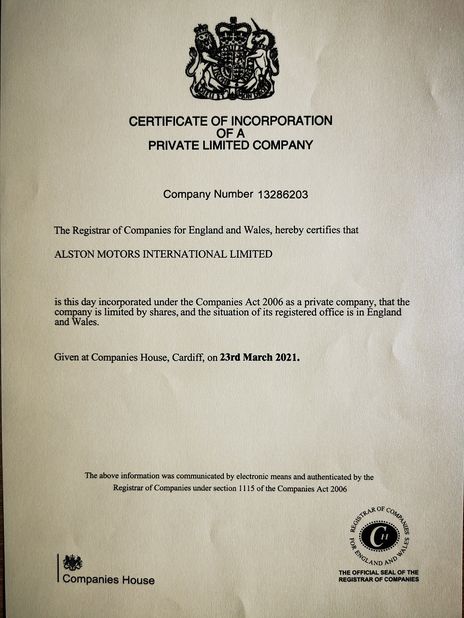
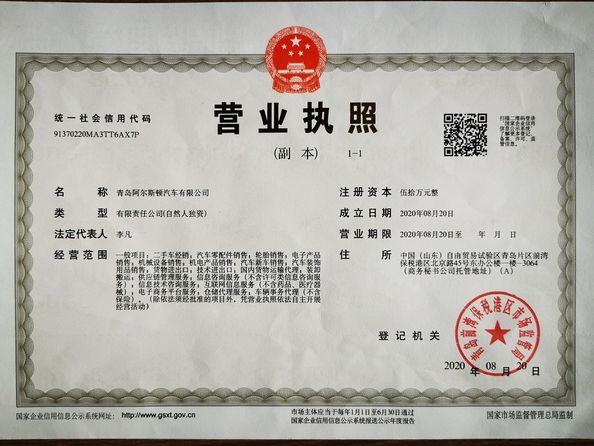
Qingdao Alston Motors évalue un camion réservoir d'eau HOWO réaménagé et d'occasion en fonction du châssis, du réservoir, de la pompe, de la prise de force, du système de pulvérisation, du freinage et de l'état d'essai sur route, plutôt que de l'apparence extérieure seule.L'approche de rénovation et d'exportation de l'entreprise est décrite dansÀ propos de Qingdao Alston Motors.
9. Essai routier du camion et vérification de son état avant expédition avant approbation finale
Un essai routier significatif avec de l'eau à bord est la preuve finale que les systèmes mécaniques, structurels et de distribution d'eau du camion fonctionnent correctement.Cet essai doit confirmer l'accélération sous charge, le déplacement, le freinage, la direction, la réponse de la suspension, la stabilité du réservoir, la température de fonctionnement et l'absence de fuites fraîches.
Après avoir conduit, vérifiez à nouveau le montage du réservoir, la zone de pompage, le châssis, le compartiment moteur, les essieux, les conduites d'aération et les conduites d'eau.Une deuxième inspection après l'essai routier révèle souvent des fuites ou des mouvements qui ne sont pas visibles lors d'un contrôle stationnaire.
C' est ça.Utilisé HOWO 6x4 Camion réservoir d'eau Test et pulvérisationindique le type de preuve de conduite et de pulvérisation qu'un acheteur étranger peut demander lors d'une inspection à distance.
Avant expédition, vérifiez le numéro de châssis, le numéro de moteur, la position de direction, la puissance, la transmission, la capacité du réservoir, les spécifications de la pompe et du pulvérisateur, l'état des pneus et les travaux de rénovation terminés.Les tuyaux, les tuyaux amovibles, les outils et autres accessoires doivent également être confirmés et fixés avant le chargement.
Les acheteurs ayant des capacités ou des exigences d'inspection spécifiques au projet peuventContactez Qingdao Alston Motorspour confirmer les spécifications réelles du camion et les preuves de l'inspection avant expédition.
Questions fréquemment posées
Quelle est la meilleure capacité de réservoir pour les travaux de construction?
Pour de nombreux grands projets de construction et d'infrastructure, 15 000 L'20,000L offre un équilibre pratique entre la capacité et la fréquence de remplissage lorsque les routes du site et les limites d'essieu peuvent soutenir en toute sécurité le camion chargé.
Un châssis HOWO 6x4 est-il adapté à un réservoir d'eau de 20 000 litres?
Oui, les châssis HOWO 6x4 lourds sont généralement configurés avec des réservoirs de 15 000 L ≈ 20 000 L, mais les acheteurs doivent toujours vérifier les exigences en matière d'essieu, de suspension, de pneus, de châssis et de charge de destination.
Pourquoi les déflecteurs internes sont-ils importants dans un réservoir d'eau?
Les déflecteurs limitent le mouvement de l'eau à grande échelle lors du freinage, du virage et de l'accélération.
Quel est le test de pompe le plus important?
Exécutez l'ensemble du système. Vérifiez l'engagement de la prise de courant, l'aspiration si elle est installée, le débit de la pompe, les vannes, les conduites de décharge, l'équipement de pulvérisation et le système à nouveau après un fonctionnement prolongé pour détecter les fuites ou la perte de pression.
Le camion doit-il être testé avec de l'eau dans le réservoir?
Oui, une charge d'eau significative donne une bien meilleure indication de la force de traction, du freinage, de la direction, de la réaction de la suspension, de l'état de montage du réservoir et des performances de la pompe qu'un essai à vide.
La peinture fraîche prouve- t- elle que le camion a été correctement rénové?
Les acheteurs doivent vérifier séparément le groupe motopropulseur, le châssis, le réservoir, les déflecteurs, la pompe, la prise de force, les tuyaux, l'équipement de pulvérisation, les freins, les pneus et les résultats des essais routiers.
Écrit par:Bruce Li, conseiller en exportation
Révisé par:Alston Motors Export & équipe technique
Compagnie:Qingdao Alston Motors Co., Ltd. a été déclarée.

 Votre message doit contenir entre 20 et 3 000 caractères!
 French