Qu'est- ce qui doit être remplacé, réparé ou conservé lors de la remise en état d'un camion HOWO usagé?
Lors de la rénovation d'un camion HOWO usagé, conserver les composants qui passent des contrôles mécaniques et structurels mesurables, réparer les pièces présentant des défauts isolés,et remplacer les articles critiques pour la sécurité ou fortement usésPour la construction, l'exploitation minière, la carrière et l'exportation à longue distance, la rénovation basée sur l'état donne aux acheteurs un meilleur résultat que de remplacer tout ou de compter sur la restauration cosmétique.
1. Utilisez une décision de conservation de réparation de remplacement avant le début des travaux
Chaque rénovation HOWO utilisée doit commencer par une évaluation détaillée de l'état qui sépare les composants à conserver, à réparer ou à remplacer avant le début des travaux de peinture et de cosmétique.Cela protège les pièces d'origine utilisables tout en empêchant les articles usés critiques pour la sécurité d'être cachés derrière une apparence finie.
Les valeurs ci-dessous sont des objectifs pratiques du côté de l'acheteur qui peuvent être inscrits dans un cahier des charges d'exportation.système de freinage, les règles de destination et le cycle de travail prévu.
| Composant |
Garde le |
Réparation |
Remplacer |
| Moteur |
Démarrage propre; température stable; compression typiquement ≥ 26 bar avec ≤ 10% d'écartement de la bouteille selon une norme de dépistage convenue; pression d'huile au ralenti à chaud ≥ 0,2 MPa |
Fuites extérieures, injecteurs, conduites de carburant, joints ou défauts liés au turbo lorsque le noyau est en bon état |
Pression d'huile faible et persistante, coup de vent sévère, plusieurs bouteilles faibles, contamination métallique, bloc/tête fissuré |
| Pneus |
Objectif convenu de bande de roulement atteint; pour de nombreux projets d'exportation ≥ 8 mm; pas de renflements, de câbles exposés ou de fissurations graves |
Perte de surface admissible de la bande de roulement; correction de la pression ou de la position de la roue |
En dessous de la cible de la bande de roulement convenue, dommages aux parois latérales, câbles exposés, renflements, séparation ou indice inapproprié |
| Couche de freinage |
Reste de préférence > 8 mm, même et sec |
Réglage ou correction de l'actionneur lorsque la doublure et le tambour restent opérationnels |
À ou près de la limite d'usure applicable, fissurée, lâche, contaminée ou inégale |
| Un taxi. |
Structure droite; supports, vitres, portes, ceintures et commandes sonores |
Rouille locale, joints, garnitures, sièges, interrupteurs, peinture ou dommages mineurs au panneau |
Déformation grave du pilier A, du toit, du pare-feu ou du montage; perforation ou dommages majeurs par collision |
| Tubes hydrauliques |
Sec, souple, correctement orienté; pas de fissures ou de renforcement exposé |
Correction de l'orientation, des pinces ou des raccords lorsque le matériau du tuyau reste en bon état |
D'une teneur en poids en poids en poids inférieur ou égal à 0,15 g/cm3 |
| Transmission / embrayage |
Engagement et déplacement normaux; aucun bruit important ou fuite active |
Étanchéité, raccordement, réglage de l'embrayage ou usure isolée |
Saut d'engrenage, bruit important du roulement, engrenages endommagés, boîtier fissuré ou défaillance grave de l'embrayage |
| Chassis |
Les rails sont droits; pas de fissures critiques; les montures et les membres transversaux sonores |
Corrosion de surface, traitement de la rouille et supports non critiques |
Déformation majeure du rail, fissures critiques, soudage dangereux ou perte de corrosion grave |
Comparer les acheteurscamions HOWO usagés à vendreLa liste doit identifier le même camion par châssis ou VIN afin que l'état final puisse être retracé à l'inspection initiale.
2. Retenir le moteur seulement lorsque son état de base est prouvé
Un moteur en marche ne doit être maintenu que lorsque son état mécanique permet un service continu.Le démarrage à froid, la fumée d'échappement, le soufflage, l'état du liquide de refroidissement, la pression de l'huile, l'équilibre de compression, les fuites, le bruit anormal et la température de fonctionnement fournissent des preuves plus utiles qu'un extérieur propre.
Pour un moteur HOWO 371HP ou 375HP utilisé, l'acheteur peut utiliser une compression d'environ 26 bar, une variation de cylindre d'environ ≤ 10% et ≥ 0.2 MPa de pression d'huile en idle à chaud comme cibles de dépistage convenues.
Les fuites d'étanchéité externe, les problèmes d'injecteur ou les défauts du système de carburant peuvent normalement être réparés lorsque le noyau est en bon état.une forte pollution ou une contamination interne justifient une révision ou un remplacement. Une371 chevaux camion déchargeur HOWO rénovéIl convient donc de juger de l'état enregistré du moteur, et non simplement de son démarrage.
3Remplacer les pneus et les freins avant qu'ils ne deviennent la première facture de réparation de l'acheteur
Les pneus et les pièces de freinage ne doivent être conservés que s'ils offrent une marge de service utile supérieure aux limites minimales de fonctionnement.Pour la préparation à l'exportation, un objectif convenu de 8 mm de bande de roulement est pratique pour de nombreux pneus de camions lourds retenus, à condition que le boîtier ne présente pas de renflements, de séparation, de renforcement exposé ou de dommages graves aux parois latérales.
Pour le contexte réglementaire, le US eCFR 49 CFR §393.75 exige une profondeur de la bande de roulement d'au moins 4/32 pouces sur les pneus avant des camions et généralement 2/32 pouces sur les autres positions, tout en interdisant le matériel de la ceinture exposé,séparation de bande de roulement ou de paroi latéraleLe chiffre de 8 mm est donc ici un objectif de rénovation, et non un minimum légal universel.
Les États-Unis eCFR 49 CFR §393.47 fixe également des minima de doublure de frein par type de frein et position de l'essieu; pour les freins à tambour à air non directionnels, 6,4 mm est un minimum spécifié.Un contrat de rénovation devrait viser une épaisseur utilisable supérieure à la limite applicable et remplacer les fissures, des doublures contaminées, lâches ou inégalement usées avant expédition.
4- Réparer une cabine pour l'usure localisée; le remplacer pour les dommages structurels
Une cabine HOWO structurellement saine doit être réparée plutôt que remplacée lorsque les dommages sont localisés et n'affectent pas sa structure de montage ou de sécurité.La réparation est appropriée pour les garnitures, les joints, les sièges, les interrupteurs, la peinture, la rouille de surface ou les dommages mineurs au panneau, en préservant le montage et l'alignement d'origine sans remplacement inutile.
Remplacez la cabine lorsque les dommages causés par la collision affectent les piliers A, la structure du toit, le pare-feu, les supports ou la géométrie des portes, ou lorsque la corrosion perce des zones structurelles.lampes de vitrage et de signalisationLa peinture fraîche ne prouve pas que les dommages structurels ont été corrigés.
5Remplacez les tuyaux hydrauliques endommagés au lieu de les réparer
Un tuyau hydraulique à pression avec fissuration, ampoules, renforcement exposé, durcissement ou fuite active doit être remplacé et non patché.Sur les décharges HOWO d'occasion, une panne de tuyau peut entraîner l'arrêt du déchargement, des déversements d'huile hydraulique et créer une instabilité pendant que la carrosserie est soulevée.
Vérifiez le tracé de la pompe et de la prise de courant jusqu'à la vanne de commande et au cylindre de levage.Ensuite, effectuez au moins trois cycles de levage et de descente et vérifiez à nouveau la bouteille, raccords, tuyaux, charnière arrière et cadre.
6. Gardez le châssis et le groupe motopropulseur uniquement lorsque les réparations ne cachent pas de risque structurel
Les rails du châssis, les pièces de transmission et de transmission peuvent être conservées si leur structure et leur fonctionnement restent intacts; la restauration esthétique ne doit jamais cacher des fissures, des déformations ou une usure interne grave.La corrosion des surfaces, les joints et les joints sont des éléments de réparation, tandis que les rails courbés, les fissures critiques, le soudage dangereux ou les éléments internes endommagés de la boîte de vitesses nécessitent une action corrective plus forte.
Vérifiez les deux rails, les membres transversaux, les supports de suspension, les supports de carrosserie et les soudures précédentes.vibrations de la chaîne de transmission et bruit différentiel. LeGuide des dossiers de réhabilitation des camions HOWO usagésexplique pourquoi inspecté, réparé et remplacé doivent être documentés séparément.
7. Correspondance des décisions de remplacement à la charge de travail réelle du camion
Plus le cycle de travail est difficile et plus le site est éloigné, plus la politique de remplacement doit être prudente.Un camion de carrière ou d'exploitation minière ne peut pas supporter la même tolérance à l'usure qu'un camion de chantier travaillant près du support de l'atelier.
Les pneumatiques 8×10 mm conservés peuvent convenir à une spécification d'exportation convenue, tandis qu'un acheteur de carrière à forte charge peut choisir de nouveaux pneumatiques 12.00R20.bouches de suspension et doublures de freins: le coût attendu des temps d'arrêt devrait influer sur la portée de la rénovation.
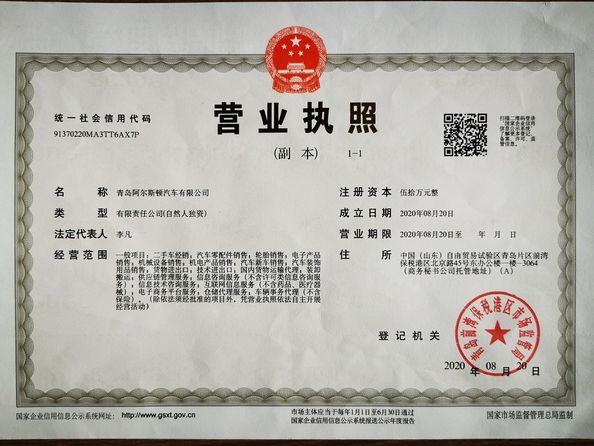
Qingdao Alston Motors utilise une approche de rénovation basée sur l'état: les composants utilisables sont conservés, les défauts isolés sont réparés,et les pièces usées ou à risque élevé sont remplacées selon l'application prévue du camion et les spécifications convenues avec l'acheteur.
Ça correspond à la société.HOWO réhabilitation de camions et expérience à l'exportation, où la sélection des véhicules, la coordination de la rénovation, l'inspection et la vérification avant expédition sont traitées comme des étapes distinctes plutôt que comme un processus cosmétique.
8. Vérifiez le résultat de la conservation réparation remplacement avant expédition
Une décision de rénovation n'est complète que lorsque l'acheteur peut vérifier ce qui est arrivé au même camion avant l'expédition.Le fichier final doit relier le châssis ou le numéro de série avec les preuves avant le travail, la liste détaillée des travaux, les dossiers de remplacement majeurs et les tests fonctionnels finaux.
Au minimum, vérifier le démarrage à froid, la stabilité au ralenti, les fuites, le changement de boîte de vitesses, la direction, les freins de service et de stationnement, les pneus, l'éclairage et un essai routier contrôlé.Les camions-chargeurs doivent également effectuer des cycles hydrauliques répétésCela donne aux acheteurs une norme de publication plus claire que les photos extérieures seules.
Vidéo connexe: Inspection avant expédition d'un camion-chargeuse HOWO 6x4 réaménagé
Regardez la vidéo d'inspection sur YouTube
Les acheteurs qui ont besoin d'un cahier des charges de réhabilitation spécifique au camion peuventContactez Qingdao Alston Motorsavant le début des travaux et définir par écrit les pièces de rechange acceptables, les pièces de rechange obligatoires, l'état des pneus, les essais du moteur et les preuves d'inspection.
Questions fréquemment posées
Tous les camions HOWO usagés devraient- ils avoir un moteur remanié?
Non. Maintenir le moteur lorsque son état de base passe les contrôles mécaniques convenus. Le réparer ou le remplacer lorsque l'usure interne rend le service continu peu fiable.
Est-ce qu'un tapis de 8 mm est un minimum légal?
Non, ici, 8 mm est une cible pratique pour l'exportation et la rénovation.
Faut- il toujours remplacer les garnitures de frein?
Non. Les doublures utilisables d'une épaisseur suffisante et une usure propre peuvent être conservées. Les doublures bordures ou contaminées doivent être remplacées.
Un tuyau hydraulique endommagé peut- il être réparé?
Ne fermez pas un tuyau sous pression avec des fissures, des cloques, des renforcements ou des fuites exposés.
Une cabine neuve prouve- t- elle qu'elle a été correctement rénovée?
La structure de la cabine, les montures, l'alignement, le vitrage, les ceintures et les commandes comptent plus que la qualité de la peinture.
Quels documents doivent indiquer si des pièces ont été conservées, réparées ou remplacées?
Demandez l'identité du véhicule, des photos avant la rénovation, la liste détaillée des travaux, les preuves de l'atelier, les principaux dossiers de remplacement et les résultats des tests finaux.
Écrit par: Bruce Li, consultant en exportation
Révisé par: Alston Motors Export & Technical Team
La société: Qingdao Alston Motors Co., Ltd.

 Votre message doit contenir entre 20 et 3 000 caractères!
 French