Quels documents de rénovation les acheteurs devraient-ils demander avant d'acheter un camion HOWO d'occasion?
Avant d'acheter un camion HOWO d'occasion, demandez des dossiers de rénovation qui retracent le même véhicule avant, pendant et après les travaux.le choix le plus fort est un camion avec des photos identifiables, une liste écrite des travaux, des dossiers de pièces, des preuves d'atelier et des tests fonctionnels finaux
1Quels documents peuvent prouver qu'un camion d'occasion a été réparé?
Un dossier de réhabilitation crédible doit relier l'état d'origine, les travaux effectués et les résultats finaux des essais à un camion identifiable.Les acheteurs devraient s'attendre à cinq groupes de preuves de base: l'identité du camion, l'état avant la rénovation, une liste de travail écrite, des preuves de l'atelier et les résultats de l'inspection finale.
Ceci est important pour comparercamions HOWO usagés de Chineparce que deux camions 6x4 similaires peuvent nécessiter des niveaux de travail très différents.Un camion-déchargeuse de 371 chevaux avec corrosion du châssis et une carrosserie de chargement usée ne devrait pas porter la même description de rénovation qu'une unité mécaniquement saine nécessitant principalement une cabineLes dossiers doivent décrire le camion lui-même plutôt que le programme de rénovation standard d'un fournisseur.
2. Demandez des photos avant et après du même camion HOWO utilisé
Les photos avant et après ne sont utiles que lorsque les acheteurs peuvent vérifier que les deux séries montrent le même véhicule.Demandez des vues comparables de l'avant, des deux côtés, de l'arrière, des rails du châssis, de la zone moteur, de l'intérieur de la cabine, des pneus et de la carrosserie avant le début de la rénovation majeure et à nouveau après l'achèvement.
Dans le cas d'un dépoussiéreur HOWO usagé, l'ensemble de photos doit également couvrir le plancher de chargement, les panneaux latéraux, le sous-châssis, la charnière arrière, le cylindre hydraulique et les points de montage du châssis visibles.Un dossier pratique du véhicule contient souvent 8 ∙ 12 vues claires de l'état plutôt que deux ou trois photos de vente poliesL'objectif n'est pas le nombre de photos en soi, mais de documenter suffisamment de détails fixes pour comparer l'état de départ et d'arrivée du camion.
Les acheteurs doivent faire particulièrement attention aux zones qui peuvent disparaître sous une nouvelle peinture: corrosion de surface, réparations de soudage, supports endommagés, tuyaux détériorés, usure inégale des pneus,Les déformations de la carrosserie et de la charge sont plus faciles à évaluer avant le ponçage., la peinture ou le remplacement des composants commence.
3Demandez une liste écrite des travaux de rénovation.
Une liste écrite des travaux de rénovation devrait indiquer exactement ce qui a été inspecté, entretenu, réparé, reconstruit ou remplacé.Des expressions générales telles que "réhabilitation complète" ou "entretien complet" n'indiquent pas à un acheteur de flotte quels travaux ont réellement été effectués.
La liste doit inclure le moteur, la transmission, les essieux, la suspension, le système de freinage, le châssis, la cabine, le système électrique, les pneus et l'équipement de la carrosserie.,Le dispositif de levage, les charnières et le système de verrouillage arrière.
Par exemple, "moteur inspecté" signifie quelque chose de différent de "système de carburant entretenu", "fuite d'huile réparée" ou "moteur remanufacturé installé".préparation de pièces détachées, et le montant de l'incertitude mécanique que l'acheteur accepte après la livraison.
4Vérifiez les dossiers de remplacement, de réparation et de service des pièces
Les dossiers des pièces doivent distinguer le remplacement des travaux de réparation, de maintenance de routine, d'ajustement et d'inspection.Ces termes représentent différents niveaux de rénovation et ne doivent jamais être considérés comme interchangeables.
| Durée de l'enregistrement |
Ce que cela devrait signifier pour l'acheteur |
| Inspecté |
Condition vérifiée; aucun remplacement n'est nécessairement effectué |
| À entretenir |
Travaux d'entretien terminés, tels que le changement d'huile ou de filtre |
| Réparé |
Composant existant conservé après les travaux de correction |
| Reconstruit ou remanié |
Composant démonté et restauré par des travaux de réparation définis |
| Remplacé |
Autre composant ou nouvelle pièce installée |
Les éléments prioritaires comprennent les pneus, les composants de frein, les batteries, les conduites d'air, les tuyaux hydrauliques, les filtres, les composants d'embrayage et les réparations importantes du moteur ou de la boîte de vitesses.par exemple, une mention "les pneus ont été changés" doit indiquer si les dix pneus ont tous été remplacés ou si seules des unités usées ont été sélectionnées.
Ce niveau de détail aide l'acheteur à estimer les coûts d'exploitation précoces au lieu de supposer que chaque composant inspecté a été renouvelé.
5Demandez des photos et des vidéos de l'atelier pendant le processus de rénovation
Les photos et vidéos de l'atelier fournissent une preuve plus forte de la rénovation que les images de véhicules finis, car elles montrent le travail en cours.Les dossiers utiles peuvent inclure le retrait de la cabine, le broyage du châssis, le traitement de la rouille, l'entretien des freins, la réparation des câbles, le remplacement de la carrosserie, la peinture, le remontage et les essais mécaniques.
La séquence la plus forte montre normalement au moins trois points: le camion avant le démontage, les travaux identifiables pendant la rénovation et la même zone après l'achèvement.configuration de roue, la structure de la cabine, les caractéristiques de la carrosserie ou un numéro d'identification peuvent aider à confirmer la continuité entre les étapes.
Qingdao Alston Motors décrit saprocessus de contrôle de la qualité pour les camions HOWO rénovésPour les acheteurs, la règle générale est simple:Les preuves de l'atelier doivent correspondre à la fois à la liste écrite des travaux et au camion final acheté.
6Vérifiez l'identité du camion tout au long du processus de rénovation
L'identité du camion doit rester traçable depuis le premier enregistrement de l'état, à travers la rénovation, l'inspection finale et la préparation de l'expédition.Les acheteurs doivent vérifier le marquage du châssis/VIN, la plaque d'identification, le cas échéant, la configuration du véhicule enregistrée et les numéros figurant sur la documentation de vente ou d'exportation pertinente.
La norme ISO 3779:2009 indique que les véhicules routiers doivent être équipés d'un dispositif de sécurité.définit le contenu et la structure du numéro d'identification du véhicule afin de fournir un système d'identification du véhicule uniforme dans le monde entier.Cela rend la vérification du VIN particulièrement pertinente lorsque les acheteurs doivent connecter des preuves de rénovation à un véhicule routier spécifique.
Le contrôle de l'identité devient particulièrement important lorsque plusieurs camions HOWO similaires sont rénovés dans la même installation.Utiliser des détails permanents ou difficiles à changer, tels que le numéro du châssis, la configuration des essieux, les spécifications du moteur, le cas échéant, l'empattement, le type de cabine et les caractéristiques distinctes de la carrosserie ou du châssis.
Une véritable chaîne de preuves prouve deux choses:Le travail a eu lieu, et il a eu lieu sur le camion que l'acheteur recevra.
7Demandez des dossiers d' inspection finale et de test fonctionnel
Un camion réaménagé ne devrait pas être considéré comme complet tant que ses principaux systèmes mécaniques et de travail n'ont pas passé la vérification fonctionnelle finale.Pour un camion HOWO utilisé, le dossier doit couvrir le comportement de démarrage, le fonctionnement stable du moteur, le bruit anormal, les fuites d'huile ou de liquide de refroidissement visibles, le changement de transmission, la direction, les freins, les feux, les pneus,et les mouvements vers l'avant et vers l'arrière.
Une vidéo de démarrage à froid doit commencer avant le démarrage du moteur afin que l'acheteur puisse observer le comportement du cran, l'état initial de l'échappement, les avertissements du tableau de bord et la stabilisation au ralenti.Après que le moteur ait atteint une condition de fonctionnement stable, l'inspection doit vérifier les fuites récentes, le bruit anormal, le comportement du système d'air et d'autres défauts qui peuvent ne pas apparaître sur les photographies finies.
Les camions-chargeurs nécessitent un essai hydraulique supplémentaire. La carrosserie doit effectuer un cycle de levage et de descente contrôlé pendant que l'inspecteur vérifie le cylindre, les tuyaux hydrauliques, le fonctionnement de la pompe,charnières arrière, et la stabilité du corps.
Unecas d'inspection documenté avant expédition d'un dépoussiéreur HOWO 6x4 rénovémontre comment un véhicule identifiable a été vérifié pour démarrage à froid, fuite, pneus, freinage, performances hydrauliques, fonctions électriques, fonctionnement routier et libération finale de l'envoi.
Vidéo d'inspection liée sur YouTube:
Regardez la vidéo de l'inspection avant expédition des camions d'occasion HOWO
8Quels sont les signes avant-coureurs d'une rénovation incomplète ou non vérifiable?
La rénovation devrait être considérée comme non vérifiée lorsque les preuves ne peuvent être reliées de manière cohérente au véhicule acheté.Les signes d'avertissement les plus forts manquent avant les photos, aucune identité visible ou enregistrée du véhicule, des photos de beauté terminées seulement, des descriptions vagues du travail,et des vidéos de test qui ne peuvent pas être associées au camion.
Les acheteurs doivent également comparer les détails entre les différentes étapes.ou d'autres caractéristiques fixes peuvent indiquer que des enregistrements provenant de différents véhicules ont été mélangés.
La peinture fraîche mérite une attention particulière car elle peut améliorer la protection contre la corrosion et l'apparence après une bonne préparation de la surface, mais la peinture seule ne prouve rien sur l'état du moteur, le fonctionnement de la boîte de vitesses,la fiabilité des freins, les performances hydrauliques ou les réparations structurelles antérieures.
Un autre signe d'avertissement est une liste de travail dans laquelle presque tous les composants sont décrits comme "nouveaux" ou "complètement rénovés" sans enregistrement des pièces ni preuve d'atelier.Les déclarations limitées sont généralement plus utiles que les déclarations générales, car les acheteurs peuvent les vérifier individuellement..
9Qu'est-ce qu'un dossier complet de réhabilitation d'un camion HOWO utilisé devrait inclure?
Un dossier complet de rénovation devrait permettre à l'acheteur de reconstituer l'apparence du camion avant le travail, ce qui lui a été fait et s'il a passé les tests finaux.Le dossier devrait rester lié à l'identité du véhicule jusqu'à l'expédition et, idéalement, être conservé pour les dossiers de maintenance du parc après son arrivée.
| Enregistrement |
Point de vérification minimum |
Réduction du risque pour l'acheteur |
| Identification du véhicule |
Correspondance entre le châssis et le numéro VIN et la configuration |
Erreur de camion ou de document |
| Enregistrement des conditions antérieures |
Photos claires du châssis, de la cabine, de la carrosserie, des pneus et des pièces mécaniques |
Condition d'origine cachée |
| Liste de travail écrite |
Articles inspectés, entretenus, réparés et remplacés séparés |
Demandes vagues de rénovation |
| Enregistrement des pièces |
Identification des principaux composants remplacés ou réparés |
Coût de maintenance inattendu |
| Évidence de l'atelier |
Le même véhicule visible pendant les étapes clés du travail |
Renouvellement non vérifiable |
| Enregistrement après-condition |
Vue finale comparable |
Évaluation basée uniquement sur l'apparence |
| Épreuves fonctionnelles |
Moteur, groupe motopropulseur, direction, freins et équipement de travail |
Échec opérationnel |
| Vérification finale |
Identification et spécifications convenues réexaminées |
Décalage de livraison |
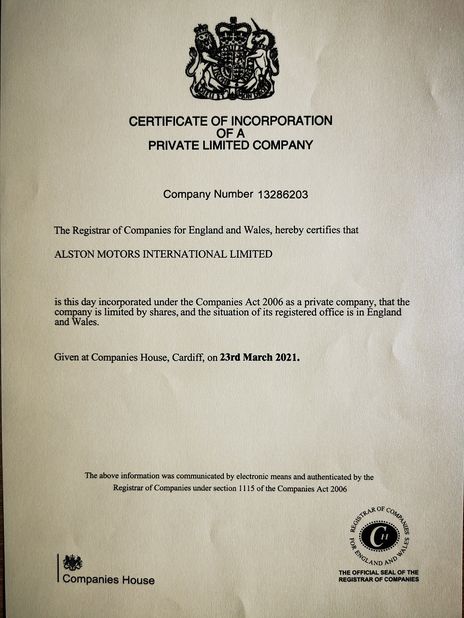
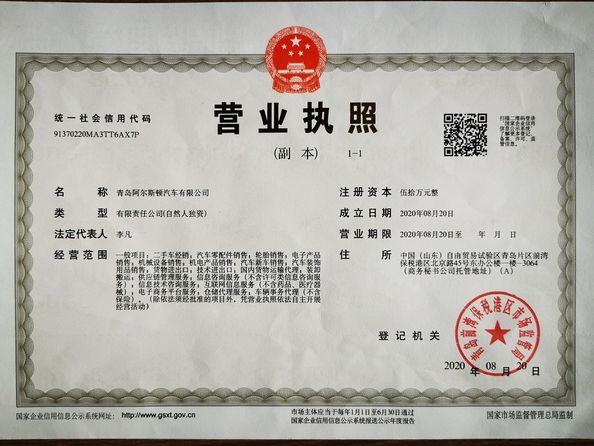
Pour Qingdao Alston Motors, une norme utile du côté de l'acheteur est simple:une revendication de rénovation est plus forte lorsque le travail sur un camion identifiable peut être retracé de son état d'origine par l'intervention de l'atelier jusqu'aux essais fonctionnels finaux.
Les acheteurs peuvent examinercomment Qingdao Alston Motors gère la rénovation et l'exportation de camions usagésPour un véhicule spécifique, les acheteurs devraientcontacter l'équipe d'exportation avec les spécifications du camion et les dossiers de rénovation requisavant d'approuver la configuration finale.
Questions fréquemment posées
Comment savoir si un camion HOWO réparé a été réparé?
Demandez des preuves provenant de trois étapes ‒ avant, pendant et après la rénovation ‒ et confirmez que chaque étape peut être liée au même châssis/numéro VIN ou à d'autres identifiants fiables du véhicule.
Les photos avant et après suffisent-elles pour prouver la rénovation?
Les photos doivent être accompagnées d'une liste écrite des travaux, de preuves de l'atelier, de pièces ou de dossiers de réparation pour les articles principaux et d'essais fonctionnels finaux.
Le numéro du châssis doit-il figurer dans les dossiers de rénovation?
Le châssis/numéro de véhicule est l'un des identifiants les plus puissants pour relier des photos, des dossiers d'inspection, des travaux de rénovation et des documents du véhicule au même camion.
Quels sont les dossiers de remplacement les plus importants lors de l'achat d'un camion HOWO d'occasion?
Donnez la priorité aux pneus, aux composants de frein, aux batteries, aux tuyaux hydrauliques, aux composants du système d'air, aux filtres, au travail de l'embrayage,et des réparations importantes du moteur ou de la boîte de vitesses, car elles ont une incidence directe sur les besoins en entretien précoce et la fiabilité de fonctionnement.
Les acheteurs devraient-ils demander des vidéos de rénovation ainsi que des photos?
Des vidéos d'atelier courtes sont particulièrement utiles pour les travaux qui ne peuvent pas être vérifiés à partir de photos finies, y compris le retrait de la cabine, la préparation du châssis, la réparation mécanique, les tests hydrauliques,démarrage à froid, et des essais routiers.
Quand l'acheteur doit-il examiner les dossiers de rénovation définitifs?
L'identité du véhicule, la configuration, les travaux de rénovation convenus, les pièces principales remplacées,les résultats des essais fonctionnels doivent être tous résolus avant que le camion ne quitte le fournisseur.
Que dois-je faire si le fournisseur ne peut pas fournir de preuve de rénovation spécifique du véhicule?
Traiter la demande de rénovation comme non vérifiée.Demander des preuves supplémentaires liées à l'identité du camion ou organiser une inspection indépendante plutôt que de se fier à des photos générales de l'atelier ou à des assurances verbales.
Écrit par: Bruce Li, consultant en exportation
Révisé par: Alston Motors Export & Technical Team
La société: Qingdao Alston Motors Co., Ltd.

 Votre message doit contenir entre 20 et 3 000 caractères!
 French