Comment une tête de tracteur d'occasion peut- elle tirer une remorque basse avec une pelle de 30 tonnes?
Oui, une tête de tracteur HOWO utilisée peut tirer une remorque basse transportant une pelle de 30 tonnes.un tracteur 6x4 de 371 ‰ 375 ch est normalement suffisant; pour les montées répétées, les accès difficiles au chantier, les températures élevées ou les combinaisons plus lourdes, une configuration de 430 ch offre une marge de fonctionnement plus forte.
1Combien pèse réellement une pelle de 30 tonnes pour le transport?
Une excavatrice de 30 tonnes est une classe de machines, pas une charge de transport exacte de 30 000 kg.Le Cat 330 à environ 31 400 kg dans une configuration spécifiée, démontrant pourquoi les données réelles de la machine doivent être vérifiées au lieu de se fier uniquement à la classe nominale.Les acheteurs peuvent confirmer les chiffres spécifiques au modèle via leSpécifications de la catégorie 330.
Des seaux, des disjoncteurs hydrauliques, des contrepoids, du carburant supplémentaire, des accessoires de rechange et des configurations de rails peuvent augmenter le poids de transport.confirmer le modèle de la pelle, le poids de fonctionnement ou de transport, le poids de fixation, la largeur de voie et si des équipements supplémentaires seront transportés sur la même remorque.
2Est-ce que 371 375 chevaux suffisent pour tirer une remorque basse avec une pelle de 30 tonnes?
Une tête de tracteur HOWO 6x4 de 371 ‰ 375 ch est suffisante pour de nombreux mouvements de pelleteuses de 30 tonnes sur des routes fermes avec des pentes modérées.Le moteur doit fournir sa puissance nominale grâce à un embrayage, une boîte de vitesses, des essieux arrière, un système de refroidissement et des pneus sains; la puissance sur le badge de la cabine ne prouve pas à elle seule une performance de traction utilisable.
Pour les transports régionaux principalement pavés, le 371375 ch offre un équilibre pratique entre le coût d'acquisition et la capacité de fonctionnement.têtes de tracteur HOWO 6x4 utiliséesdoivent demander des preuves de démarrage à froid, d'accélération, de charge de l'embrayage, de déplacement, de refroidissement et d'essai de freinage avant expédition.
Des montées abruptes répétées, des surfaces molles de carrière, des démarrages en colline chargés ou de longs cycles de travail justifient de passer à 430 ch plutôt que d'utiliser continuellement un moteur plus petit près de sa limite de fonctionnement.
3. Quel est le poids total chargé du tracteur, de la remorque basse et de l'excavateur?
Le tracteur doit être sélectionné en fonction du poids total combiné, et non du poids de l'excavateur seul.Une fois que la tête du tracteur, la remorque, la pelle, le carburant, les chaînes, le seau et les accessoires sont inclus, une pelle nominale de 30 tonnes peut créer une combinaison proche ou supérieure à 50 tonnes.
| Composant |
Poids typique de dépistage |
| La tête de tracteur HOWO 6x4 |
9 ‰ 10 t |
| Trailers à basse altitude |
9 ‰ 12 t |
| Excavatrice de classe 30 tonnes |
30 ‰ 31,5 t |
| Carburant, chaînes et accessoires |
0.5 ¢2 t |
| Combinaison estimée |
48.5 ∙ 55,5 t |
Ces chiffres sont des valeurs de contrôle d'approvisionnement plutôt que l'approbation légale de chargement.Capacité de l'équipe principale, ainsi que les limites applicables pour les routes ou les permis sur le marché de destination.
Le calcul explique également pourquoi un tracteur qui fonctionne bien avec une pelle de 20 tonnes ne peut pas être automatiquement homologué pour une machine de 30 tonnes simplement parce qu'il peut déplacer la charge.
4La transmission, les essieux arrière et le rapport d'entraînement final correspondent-ils au transport lourd à basse altitude?
Le transport lourd nécessite un couple de roue utilisable à basse vitesse, de sorte que l'appariement du groupe motopropulseur est aussi important que la puissance maximale du moteur.Un HOWO équipé d'une boîte de vitesses manuelle de la série HW, adaptée à une transmission basse,et les essieux arrière lourds peuvent démarrer une combinaison chargée plus efficacement qu'un tracteur de plus grande puissance configuré principalement pour la croisière routière.
L'inspection doit porter sur l'engagement de la première vitesse, l'adhérence de l'embrayage, le saut de vitesse, le bruit du différentiel, les fuites d'essieu, les vibrations de la chaîne motrice et le rapport de traction final réel.Un rapport d'essieu numériquement plus élevé améliore généralement la capacité de traction à basse vitesse, bien que la vitesse de croisière et les tours du moteur changent également.
Les acheteurs qui ont besoin d'une comparaison plus large entre les niveaux de puissance peuvent consulter lesHOWO tête de tracteur utilisée guide de puissance pour le transport à basse capacité.
5La remorque à lit bas est-elle adaptée à la répartition du poids et de la charge de l'excavatrice?
Le plancher doit être nommé pour le poids réel de transport de l'excavateur et la charge concentrée de la voie.Un tracteur avec suffisamment de chevaux ne peut pas compenser une remorque sous-évaluée, un groupe d'essieux surchargé, un faisceau principal faible ou une distribution incorrecte du poids.
Pour une machine de 30 tonnes, les acheteurs évaluent généralement renforcé à trois essieux ou plus lourdremorques à basse altitude destinées au transport de matériel lourdCertaines configurations utilisent des essieux de 13 tonnes et des épingles de 2 ou 3,5 pouces, mais le nombre d'essieux à lui seul ne prouve pas la capacité de charge utile.
Vérifiez la qualification du fabricant, les poutres principales, les membres transversaux, les sièges d'essieu, les accrochages, les pneus, les chambres de freinage, les rampes, le montage de l'épingle et la qualité de la soudure.L'excavateur doit être positionné de sorte que son centre de masse ne surcharge ni les essieux de traction du tracteur ou le bogie de remorque.
La hauteur du pont et l'angle de rampe sont également importants.les rampes correctement assorties permettent de charger l'équipement du rampeur sans risque excessif de rupture ou de glissement.
6Le tracteur et la remorque peuvent-ils freiner en toute sécurité lors de longues descentes ou de descentes raides?
Une combinaison appropriée doit contrôler la pelle en descente, et non simplement en remontée.Les systèmes de freinage à air du tracteur et de la remorque doivent accumuler une pression normale, réagir ensemble et s'arrêter sans tirer d'un côté, action retardée de la remorque, vibrations anormales,ou chauffage excessif du frein.
Vérifiez le compresseur, les réservoirs d'air, les tuyaux, les vannes, les chambres de freinage, les tambours ou revêtements, le réglage de l'ouverture, les accouplements de la remorque, le frein de stationnement et le frein d'échappement du moteur ou EVB, le cas échéant.Un essai routier contrôlé à une vitesse d'environ 40 km/h peut révéler une réaction de freinage inégale qu'une inspection stationnaire peut manquer.
LeRègles relatives à la sûreté des marchandises de la FMCSALes réglementations locales peuvent varier, mais le principe de passation de marchés est directement pertinent:une excavatrice de 30 tonnes nécessite des points de fixation correctement nommés, chaînes et pièces jointes contrôlées.
7Comment la pente des routes, les conditions de surface et l'accès au chantier influent-ils sur la sélection du tracteur?
La sévérité du trajet peut modifier le choix du tracteur, même si le poids de l'excavateur reste le même.Un tracteur de 371 à 375 ch qui fonctionne efficacement sur des routes fermées peut fonctionner trop près de sa limite sur des pentes répétées de 6 à 8%, sur des surfaces de carrière lâches, du gravier profond, de la boue ou des départs fréquents chargés.
Pour les sites difficiles d'accès, la transmission 6x4 est la ligne de base préférée car les deux essieux arrière contribuent à la traction.La capacité de refroidissement devient plus importante à mesure que la résistance de la route augmente..
Avant de commander, renseignez le fournisseur sur la pente maximale, la longueur approximative de la montée, la surface de la route, la distance de transport, la fréquence quotidienne des trajets,et s'il est prévu de démarrer en pleine charge sur les pentesCes détails fournissent une base beaucoup plus solide pour la sélection du tracteur que la puissance seule.
8Qu'est-ce que les acheteurs devraient inspecter sur une tête de tracteur HOWO utilisée avant les travaux lourds?
Une tête de tracteur HOWO usagée doit passer une inspection mécanique de traction lourde avant que la rénovation esthétique ne soit acceptée comme preuve d'état.Le moteur, l'embrayage, la boîte de vitesses, les essieux, la quatrième roue, le châssis, le système de refroidissement, les freins et les pneus ont une incidence directe sur le fonctionnement fiable du tracteur avec un banc bas chargé.
| Zone d'inspection |
Vérification pratique de l'acheteur |
| Moteur |
Démarrage à froid, fumée, fuite de liquide de refroidissement et d'huile |
| Compression |
Cylindres équilibrés; environ 26 à 28 bar comme référence de dépistage pour les moteurs adéquats en condition WD615 |
| Pression de l'huile à chaud au ralenti |
Environ 0,2 MPa ou plus comme référence pratique pour le dépistage |
| L'embrayage et la boîte de vitesses |
Aucun glissement, saut d'engrenage, broyage ou engagement retardé |
| La cinquième roue |
Fermeture de la mâchoire, usure de la plaque, boulons de montage et ajustement de la broche |
| Les freins |
Réaction du tracteur et de la remorque testée ensemble |
| Pneus |
D'une épaisseur n'excédant pas 10 mm |
Ces chiffres sont des références de contrôle plutôt que des limites d'usine universelles; la spécification correcte pour chaque moteur et chaque châssis a la priorité.
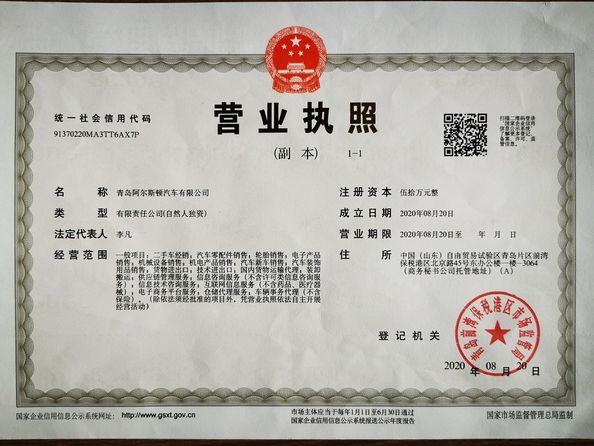
La réponse de Qingdao Alston Motors est simple: faire correspondre l'excavateur de 30 tonnes, la tête du tracteur, le couvercle bas, le trajet et le système de freinage en une seule unité de transport,vérifier ensuite le tracteur utilisé à l'aide de preuves d'essais mécaniques avant expédition.
Les acheteurs évaluant les normes de rénovation peuvent examinerQingdao Alston Motors inspection et expérience à l'exportationavant de comparer les offres de véhicules individuelles.
9Quand les acheteurs devraient-ils choisir une tête de tracteur HOWO de 430 ch à la place?
Choisissez 430 ch lorsque la combinaison de transport doit faire face à des résistances élevées à plusieurs reprises plutôt qu'à des mouvements occasionnels sur la route.Les raisons les plus importantes sont les pentes raides régulières, la construction accidentée ou l'accès à l'exploitation minière, les démarrages fréquents sous charge, les environnements de fonctionnement chauds, le poids brut combiné plus lourd,longs cycles de travail quotidiens, ou prévoit de déplacer des machines plus grandes plus tard.
Pour une combinaison d'environ 50 tonnes sur des routes fermes, principalement plates, un 6x4 vérifié de 371 375 ch reste un choix pratique.La portée de détection de 5 tonnes et le terrain difficile sont de routine., 430 ch fournit une réserve de travail plus utile.
Une puissance plus élevée ne peut toujours pas compenser le glissement de l'embrayage, une transmission inadéquate, un refroidissement faible, des défauts de freinage ou un basse-course surchargé.L'état du tracteur et la correspondance de la remorque demeurent essentiels indépendamment de la puissance.
Pour une configuration ou un devis correspondant au trajet, les acheteurs peuventContactez Qingdao Alston Motorsavec le modèle de l'excavateur, le poids réel du transport, les accessoires, les exigences relatives à la remorque, le pays de destination, le côté du volant, la surface de la route, la pente maximale et la fréquence de travail prévue.
Questions fréquemment posées
Un tracteur HOWO de 371 ch peut-il tirer une pelle de 30 tonnes?
Oui, un HOWO 6x4 de 371 ch peut gérer de nombreux mouvements de pelleteuses de 30 tonnes sur des routes fermées si le poids total, l'engrenage, le refroidissement, le freinage et la capacité de la remorque sont correctement assortis.
Est-ce que 375 ch est bien meilleur que 371 ch?
Non, la différence de 4 chevaux est mineure, l'état mécanique, le rapport d'essieu, les performances de l'embrayage, la pente et le poids total combiné ont un effet plus important sur les performances réelles.
Quand devrais-je choisir 430 chevaux?
Choisissez 430 ch pour des montées abruptes répétées, un accès difficile au chantier, des départs fréquents chargés, des conditions de fonctionnement chaudes, des combinaisons plus lourdes ou des tâches futures avec des équipements lourds.
Un plancher à trois essieux est-il suffisant pour une pelle de 30 tonnes?
Il peut l'être, à condition que sa charge utile certifiée, sa structure de poutre, ses dimensions d'essieu, ses pneus, sa suspension, sa charge de pivot et sa répartition du poids de l'excavateur soient appropriés.
Le seau et le disjoncteur hydraulique doivent-ils être inclus dans le poids du transport?
Incluez les seaux, les disjoncteurs, les chaînes, le carburant, les pièces de rechange et tout accessoire supplémentaire transporté avec la machine lors du calcul de la combinaison totale chargée.
Est-ce que 6x4 est mieux que 4x2 pour ce boulot?
Oui, un tracteur 6x4 est la référence la plus solide pour le transport à basse altitude car deux essieux arrière entraînés offrent une meilleure traction sur des surfaces lâches, inégales ou sur le chantier.
Quelles informations les acheteurs doivent-ils fournir avant de commander?
Indiquer la marque et le modèle de l'excavateur, le poids réel du transport, les accessoires, le type de couchette requise, la pente du trajet, la surface de la route, le pays de destination, le côté du volant, la distance de transport,et fréquence de travail prévue.
Écrit par: Bruce Li, consultant en exportation
Révisé par: Alston Motors Export & Technical Team
La société: Qingdao Alston Motors Co., Ltd.

 Votre message doit contenir entre 20 et 3 000 caractères!
 French