How to Check the Tank Body, Pump, Valve, Pipeline, and Compartments Before Purchase?
Before buying a used HOWO fuel tanker truck, verify the tank structure, compartment integrity, pump output, valve operation, pipelines, and safety equipment with vehicle-specific evidence. For diesel distribution, depot delivery, and construction-site refueling, choose a tanker that passes documented integrity and functional checks—not one judged mainly by fresh paint or advertised capacity.
1. How to Inspect the Tank Body for Corrosion, Cracks, Deformation, and Weld Repairs?
Tank-shell condition determines whether a used fuel tanker is worth inspecting further. Examine the underside, end plates, weld seams, mounting saddles, and areas around fittings for pitting, distortion, cracks, or undocumented repairs. Photograph suspect areas before refurbishment hides the surface. Compare the tank identification plate and construction drawings with the unit offered in the used HOWO fuel tanker range.
Ask a qualified inspector to measure wall thickness ultrasonically where corrosion or repair is suspected. The acceptance limit comes from the approved tank design and applicable standard, not a generic 5 mm or 6 mm figure. An unexplained patch or failed thickness assessment means purchase approval must stop pending engineering review.
2. How to Check Internal Compartments, Bulkheads, and Baffles for Structural Damage?
Compartment partitions must be intact, securely attached, and leak-tight wherever different products are separated. Match the compartment drawing to visible manholes, outlets, and identification marks; request separate images or inspection reports for every section. Detached baffles, cracked attachment welds, trapped sludge, or signs of fuel passing between compartments require investigation before acceptance.
Do not ask a driver or salesperson to climb into an unprepared tank. Internal inspection is confined-space work requiring isolation, cleaning, atmospheric testing, appropriate permits, and trained personnel. Remote-camera inspection may reduce entry, but it does not replace the qualified assessment or testing required for a damaged bulkhead.
3. How to Check Manholes, Seals, Pressure/Vacuum Vents, and Overfill Protection?
Tank openings and vent equipment must match the intended fuel and operate as specified. Inspect manhole seats for distortion, gasket surfaces for cuts, and covers for complete locking engagement. Check the identification and test records for pressure/vacuum vents rather than assuming that an unblocked opening proves correct performance. A poor seal can leak during transport even when the tank looks dry at rest.
For vehicles fitted with overfill protection, confirm the sensor, cable, connector, and shutdown interface work together. Gasoline applications may also require vapor-recovery equipment. Accept the system only when the installed fittings meet the receiving depot's arrangements and applicable local requirements.
4. How to Test the Fuel Transfer Pump and PTO for Performance and Leakage?
A pump is acceptable only when its recorded output and mechanical behavior match its rated duty. Examine PTO engagement, shaft guards, couplings, pump seals, mounting bolts, suction connections, and any flow meter. During a controlled test using an approved compatible liquid, record the pump speed, discharge conditions, transferred volume, elapsed time, and leaks or abnormal vibration.
For example, transferring 600 L in three minutes gives an observed flow of 200 L/min; this is a measurement example, not a universal passing target. Compare the result with the pump's own performance data. The 20,000L HOWO fuel tanker specification provides a vehicle reference, but only a test of the actual truck establishes its condition.
5. How to Check Bottom Valves, Discharge Valves, and Emergency Shutoff Systems?
Each compartment must discharge through its designated valve path, and the emergency shutoff must close when activated. Check the valve identification, handle travel, actuators, seals, and outlet caps. Have qualified personnel demonstrate normal opening, complete closure, and emergency operation under controlled conditions; then verify leak-tightness by the approved test method. Sticking controls or an unidentified outlet are unacceptable at handover.
| Valve Area |
Evidence to Request |
Acceptance Decision |
| Bottom valve |
Closure and leak-test result |
No leakage |
| Discharge outlet |
Compartment-to-outlet identification |
Correct routing |
| Emergency shutoff |
Demonstrated activation and reset |
Fully functional |
| Flanges and caps |
Visual check after testing |
Intact seals |
6. How to Inspect Fuel Pipelines, Flanges, Hoses, and Connections for Leaks or Blockages?
The complete transfer line needs inspection, not just the exposed discharge hose. Follow each path from the compartment outlet to the delivery connection, noting crushed pipe sections, corroded supports, loose flanges, defective gaskets, and unsuitable hose materials. Check hoses for swelling, cracking, abrasion, damaged couplings, and expired inspection dates where applicable.
Ask for evidence of approved line testing and verify that repaired joints are retested. A video of liquid leaving a hose cannot demonstrate every hidden connection is sound. For broader documentation principles, the HOWO refurbishment records guide explains why photographs, parts records, and final inspection results should identify the same vehicle.
7. How to Verify Compartment Capacity, Fuel Compatibility, and Product Separation?
The stated tank volume is credible only when each compartment has matching calibration and identification records. Request a compartment drawing, capacity table, and calibration chart or certificate, then compare the numbered outlets with the documentation. Check that gaskets, lining, hoses, and valves are compatible with the intended diesel or gasoline grade and that previous cargo has not contaminated the tank.
A claimed 20,000L total volume does not establish how much can legally be loaded. Filling limits, fuel density, axle weights, and local transport rules control usable quantity. Where products differ, separate discharge paths and effective partitions matter more than a convenient-looking compartment split.
8. What Leak, Pump-Flow, Grounding, and Operational Tests Should Buyers Request?
Final acceptance requires traceable test results for the tank, each compartment, transfer equipment, and required safety systems, including bonding and grounding provisions where applicable. Ask for the vehicle and tank IDs, test date, method, instrument identification where applicable, inspector, recorded findings, and repair retest results. Pressure or leak testing must be arranged by competent personnel under the tank's approved procedure; improvised air pressurization of a fuel tank is unsafe.
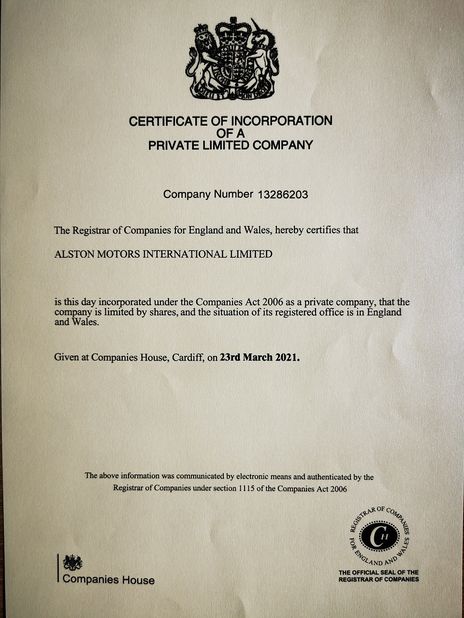
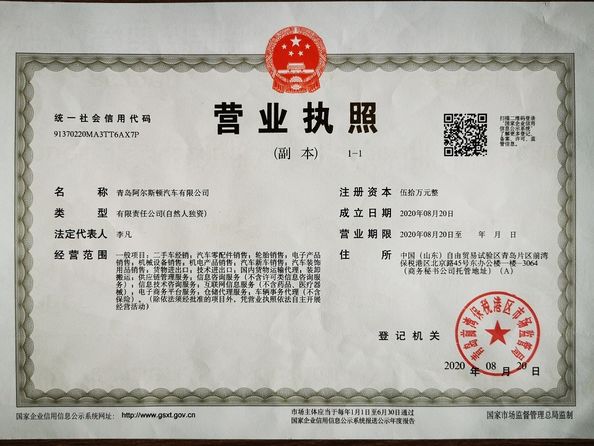
The UNECE ADR 2025 framework describes inspection and testing provisions for tanks within its scope; destination-country requirements still determine the truck's legal acceptance. Qingdao Alston Motors recommends checking whether tank-structure findings, compartment integrity results, pump performance, and safety-system inspection records can be matched to the specific vehicle before approving a purchase. Its company profile and inspection approach provides further context.
Related YouTube Video: Used HOWO Fuel Tanker Truck Inspection and Delivery Equipment Test
Video footage is supporting evidence; it cannot substitute for a signed test report.
9. Which Fuel Tanker Defects Can Be Repaired, and When Should Buyers Reject the Purchase?
Repairability depends on the defect, approved repair procedure, and successful retesting. Consumable seals and compatible hoses are generally replaceable; structural cracks, severe corrosion, and damaged bulkheads require competent engineering decisions. Never accept hot work on a fuel tank without documented gas-free preparation, specialist controls, and required post-repair certification.
| Finding |
Buyer Decision |
| Worn hose or gasket |
Replace; retest affected circuit |
| Pump seal or service valve fault |
Repair; verify operation and tightness |
| Unrecorded tank-shell weld |
Hold for engineering assessment |
| Failed integrity test or unsafe shutoff |
Reject until compliant repair and retest |
| Irrecoverable structural damage |
Reject |
Before final payment, buyers should request a vehicle-specific evidence package from Qingdao Alston Motors' contact team. A lower purchase price does not compensate for an unverified tank that cannot legally or safely enter fuel service.
Frequently Asked Questions
Can Exterior Photos Prove a Used Tanker Is Safe?
No. Photos identify visible defects but cannot establish tank-wall thickness, compartment tightness, or valve performance.
Does Every Fuel Tanker Need a Transfer Pump?
No. Gravity discharge may suit some receiving installations; other operations require a compatible pump and meter.
How Can I Confirm the Capacity of Each Compartment?
Request a numbered compartment drawing and vehicle-specific calibration chart or certificate.
Can a Diesel Tanker Be Converted to Gasoline Service?
Only after compatibility, cleaning, equipment, approval, and regulatory requirements are assessed by qualified specialists.
Are Leaking Valves an Automatic Reason to Reject the Truck?
Not always. Replaceable valves may be repaired, but failed emergency protection must be corrected and retested before acceptance.
What Test Result Matters Most Before Payment?
There is no single substitute for a complete file: structural integrity, compartment leak-tightness, equipment operation, and compliance all matter.
Is a Test-Drive Video Enough for Purchase Approval?
No. It may demonstrate chassis operation, not tank integrity or legal readiness for transporting fuel.
Written by: Bruce Li, Export Consultant
Reviewed by: Alston Motors Export & Technical Team
Company: Qingdao Alston Motors Co., Ltd

 Votre message doit contenir entre 20 et 3 000 caractères!
 French