Comment choisir un camion d'occasion HOWO pour la construction de routes et les projets d'infrastructure?
Pour choisir un dépoussiéreur HOWO d'occasion pour la construction de routes et les projets d'infrastructure, les acheteurs doivent faire correspondre le camion à la base de la route, au gravier, au sable, au support d'asphalte, à l'excavation de drainage,et traction des travaux de terrassementLe bon choix dépend du type d'entraînement, de la capacité de la carrosserie, de la puissance du moteur, de la résistance du châssis, des performances hydrauliques, de la charge utile légale et des dossiers d'inspection vérifiés.
1. Quels travaux de construction routière le camion de décharges HOWO utilisé va-t-il gérer?
Un dépoussiéreur HOWO usagé doit être sélectionné en fonction du travail de construction routière réel, pas seulement du prix d'achat.réparation de routes rurales, et le remplissage en arrière place des contraintes différentes sur le châssis, les pneus, la carrosserie et le système hydraulique.
Pour les travaux de chantier à courte distance, le camion peut décharger 10 à 20 fois par jour sur des routes d'accès temporaires.et le contrôle de la charge utile devient plus importantAvant de choisir une unité, les acheteurs doivent confirmer le type de matériau, la distance moyenne, la surface de la route, l'équipement de chargement et l'objectif du trajet quotidien.
2Comment les acheteurs devraient-ils choisir un camion de 6x4 ou 8x4 d'occasion?
Un dépoussiéreur HOWO 6x4 utilisé est généralement préférable pour les travaux mixtes de construction routière, tandis qu'un 8x4 est préférable pour les grands projets d'infrastructure avec une demande de charge utile plus élevée.La décision dépend de tourner l'espace, la largeur de la route, la densité du matériau et les règles locales de charge sur les essieux.
Un camion 6x4 est plus facile à utiliser sur les routes rurales, les projets de drainage, les petits chantiers et les routes d'accès étroites.Mais il a besoin d'un meilleur espace de virage et de meilleures conditions routièresLe choix d'un 8x4 uniquement pour "plus de volume" peut augmenter les coûts de pneus, de freins, de carburant et de réparation.
| Configuration |
Meilleure utilisation |
Risque pour l'acheteur |
| Camion de décharge 6x4 |
Routes rurales, drainage, travaux mixtes sur site |
Moins de charge utile pour les granulés lourds |
| Camion de décharge 8x4 |
Projets routiers, gros trains routiers |
Coût des pneus plus élevé et rayon de virage plus grand |
| 6x4 ou 8x4 |
Sable, gravier, terre, pierre broyée |
Il doit correspondre au poids légal et à l'état de la route |
Comparer les acheteurscamion déchargeur HOWO utilisé pour la construction de routesdoit évaluer à la fois la configuration et l'état réel de la rénovation avant de confirmer la commande.
3Quelle est la meilleure capacité de décharge pour la base de route, le gravier, le sable et l'asphalte?
La meilleure capacité de la carrosserie de décharge dépend du poids du matériau, pas seulement des mètres cubes.Donc, une plus grande carrosserie peut surcharger le châssis si les acheteurs ne calculent que le volume.
Beaucoup de camions de décharge HOWO 6x4 utilisés sont assortis de corps de décharge d'environ 18 ′′ 22 m3, tandis que les modèles 8x4 peuvent utiliser des corps plus grands en fonction du projet.résistance des parois latéralesUn corps plus petit et plus solide est souvent plus sûr qu'un corps plus grand et plus faible.
4La puissance du moteur est-elle suffisante pour transporter des infrastructures lourdes?
La puissance du moteur n'est suffisante que si elle correspond au poids de la charge, au gradient de la route, à la température de travail et à la fréquence de déplacement.Mais la puissance ne prouve pas que le camion peut transporter des infrastructures lourdes..
Une inspection appropriée doit inclure le démarrage à froid, la stabilité au ralenti, la pression d'huile, le son du turbo, la fumée d'échappement, l'état du liquide de refroidissement et un essai de fonctionnement de 15 à 20 minutes.ou le chargement sur sol humideUn camion de 371 chevaux peut bien fonctionner sur des routes modérées, tandis que le transport de routes plus lourdes peut nécessiter un refroidissement plus puissant et de meilleures conditions de transmission.
5Comment les acheteurs doivent- ils inspecter le châssis, les essieux, les pneus et la suspension?
Le châssis, les essieux, les pneus et la suspension déterminent si un dépoussiéreur HOWO usagé peut survivre à des travaux de construction rouges après la livraison.charge inégale, des routes d'accès boueuses et des cycles de déversement à courte distance.
Les acheteurs doivent inspecter les rails, les membres transversaux, les boîtiers de l'essieu arrière, les fuites de différentiel, les moyeux des roues, les chambres de freinage, les ressorts, les boulons en U et les motifs d'usure des pneus.feuilles de printemps fissurées, une usure irrégulière des pneus arrière ou une fuite des joints d'essieu doivent être considérés comme des signes d'avertissement.Guide d'inspection des décharges pour les acheteurs de constructionpeut prendre en charge une liste de contrôle préachat plus détaillée.
6Qu'est-ce que les acheteurs devraient vérifier dans le système de levage hydraulique?
Le système hydraulique de levage doit soulever, maintenir et abaisser le corps de décharge en douceur dans des conditions de travail.un problème hydraulique peut arrêter la livraison de matériel même lorsque le moteur, les pneus et le châssis sont encore utilisables.
Les points d'inspection clés comprennent le cylindre hydraulique, le PTO, la pompe à huile, le réservoir d'huile, les tuyaux, la vanne de commande, la charnière arrière, le sous-châssis et le plancher de la carrosserie de décharge.et d'abaissement contrôléUne fuite d'huile, une torsion de la carrosserie, un levage lent, un bruit anormal de la pompe ou un mouvement irrégulier signifient que les réparations doivent être effectuées avant l'expédition.
7Comment la charge utile, le poids légal et la surcharge affectent-ils la décision d'achat?
La charge utile et le poids légal influent sur la sécurité, la conformité routière, la durée de vie des pneus, l'usure des freins et le coût de réparation à long terme.Un dépoussiéreur HOWO usagé ne doit pas être sélectionné uniquement sur la base d'allégations informelles telles que: il peut transporter plus de tonnes.??
Les matériaux de construction routière sont faciles à mal juger: le sol humide, les pierres broyées, les fondations routières et l'asphalte recyclé peuvent dépasser la charge sûre sur les essieux plus rapidement que prévu.Rapport de la Banque mondiale sur le contrôle de la surchargeexplique comment la surcharge des véhicules lourds accélère la détérioration des trottoirs, raison pour laquelle le contrôle de la charge des essieux est important sur de nombreux marchés.
Avant d'acheter, confirmez le poids brut légal de destination, les règles de charge des essieux, la densité du matériau et l'état des routes.Mais ça augmente aussi la défaillance des pneus., les contraintes sur les essieux, le risque de freinage, la consommation de carburant et les temps d'arrêt.
8. Quelle qualité de rénovation les acheteurs doivent-ils confirmer avant d'exporter?
Pour les projets de construction routière et d'infrastructure, les acheteurs doivent confirmer le moteur, la boîte de vitesses, la carrosserie de déchargement,système hydraulique, châssis, essieux arrière, pneus, freins et système électrique avant exportation.
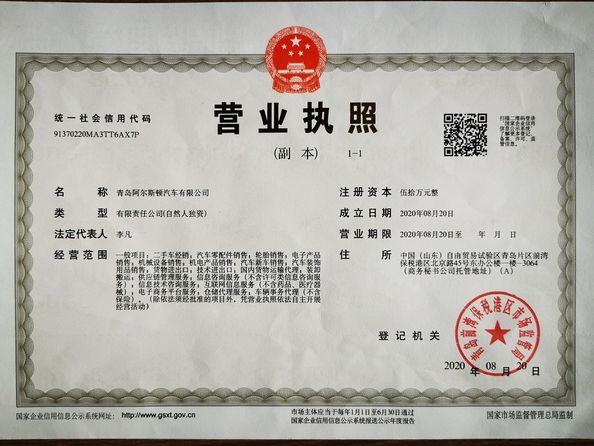
Qingdao Alston Motors Co., Ltd aide les acheteurs à l'étranger à évaluer les camionnettes HOWO usagées pour la construction de routes en vérifiant le fonctionnement du moteur, le levage hydraulique, l'état du châssis, l'état de l'essieu, l'état des pneus,Les acheteurs peuvent consulter les informations fournies par les autorités compétentes.expérience d'exportation de camions HOWO rénovéset leAtelier d'inspection des camions déchargeurs HOWOcomprendre comment les preuves de l'inspection appuient la décision d'achat.
| Point de contrôle |
Ce qu'il faut vérifier |
Pourquoi cela compte |
| Essai du moteur |
Démarrage à froid, fumée, pression d'huile |
Prévient les réparations majeures après l'arrivée |
| Essai hydraulique |
Levez, maintenez, abaissez, fuite |
Confirme la fonction de dépôt |
| Photos du châssis |
Les pièces détachées ne sont pas utilisées pour les pièces détachées |
Éviter les risques structurels cachés |
| Vérification des pneus |
Taille, bande de roulement, paroi latérale, correspondance |
Coût de remplacement des contrôles |
| Essai routier |
Transfert de vitesse, freinage, direction |
Affiche les conditions de travail réelles |
9. Combien les acheteurs devraient-ils dépenser pour un camion HOWO usagé, y compris l'expédition et l'entretien?
Les acheteurs devraient prévoir un budget pour le prix FOB, l'expédition, le dédouanement de la destination, l'état des pneus, les pièces de rechange, l'entretien de routine et les temps d'arrêt possibles.Un prix bas n'est pas toujours moins cher si le camion arrive avec une hydraulique faible, pneus usés, problèmes de freinage ou marques de réparation du châssis.
Pour de nombreux acheteurs à l'exportation, les camions déchargeurs HOWO 6x4 et 8x4 réaménagés et utilisés sont dans une large gamme FOB en fonction de l'année, de la puissance, du paquet de pneus, de l'état de la carrosserie du déchargeur et du niveau de réparation.Frais portuaires, et la livraison intérieure doit être calculée séparément.demandez des photos de l'inspection des camions-chargeurs avant expéditionavec le pays de destination, le type de chargement, la configuration préférée et la plage budgétaire.
Questions fréquentes
Un dépoussiéreur HOWO d'occasion est-il bon pour la construction de routes?
Oui, un dépoussiéreur HOWO d'occasion peut bien fonctionner pour le gravier, le sable, le sol, la base de la route, le support d'asphalte et le transport d'infrastructures si le moteur, le châssis, le système hydraulique, les pneus,et les freins sont correctement inspectés.
Est-ce que 6x4 ou 8x4 est préférable pour les projets routiers?
Un 6x4 est préférable pour les petits sites, les routes rurales, les travaux de drainage et l'utilisation mixte de la construction.et un meilleur espace de virage sont disponibles.
Quelle capacité dois-je choisir pour le gravier et la base de la route?
Le gravier, la pierre broyée, l'asphalte et le sol humide sont lourds, de sorte que la charge utile légale et la charge de l'essieu sont plus importantes que le volume du corps.
Quel est le point d'inspection le plus important?
Le système hydraulique de levage, le châssis, les essieux arrière, les pneus, les freins et l'état du moteur sont les plus importants.Un camion qui ne peut pas soulever en douceur ou freiner en toute sécurité n'est pas prêt pour les travaux de construction routière..
Je devrais acheter le camion de décharge HOWO le moins cher?
Un camion bon marché dont l'hydraulique est faible, les pneus mauvais, les fuites d'huile, les problèmes de freinage ou les marques de réparation du châssis peuvent coûter plus cher après la livraison.
Quelles vidéos dois-je demander avant l'expédition?
Demandez le démarrage à froid, le fonctionnement du moteur, le changement de vitesse, les essais routiers, le levage hydraulique, le freinage, le bas du châssis, l'état des pneus et les vidéos de préparation au chargement.
Un dépoussiéreur peut- il transporter du sable, du gravier, de la terre et de l'asphalte?
Oui, mais chaque matériau a une densité et un risque de chargement différents. Les acheteurs doivent contrôler la charge utile, éviter la surcharge et confirmer la résistance du corps de décharge avant d'utiliser un camion pour des matériaux mixtes.
Écrit par: Éditorial Alston Motors
Révisé par: Export & Technical Team
La société: Qingdao Alston Motors Co., Ltd.
À propos de l'équipe de rédaction d'Alston Motors:
L'équipe de rédaction d'Alston Motors partage des idées pratiques sur les camions HOWO rénovés, les semi-remorques, les véhicules utilitaires, les voitures d'occasion et les solutions d'exportation pour l'Afrique et d'autres marchés en développement.Le contenu est basé sur l'expérience de l'entreprise dans le domaine de l'inspection des véhicules, rénovation, coordination des exportations, support des pièces de rechange et service à la clientèle pour les acheteurs étrangers.

 Votre message doit contenir entre 20 et 3 000 caractères!
 French