Comment choisir un camion cargo HOWO d'occasion pour le transport de matériaux de construction ?
Pour choisir uncamion cargo HOWO d'occasionpour le transport de matériaux de construction, faites correspondre le camion aux matériaux, puis vérifiez la charge utile, la longueur de la carrosserie, le type d'entraînement, la résistance du châssis, l'état de freinage, la protection de la cargaison et la preuve d'inspection à l'exportation. Pour le ciment, les briques, les tuiles, les planches et l’acier, un chargement sûr est plus important que le choix de l’unité la moins chère.
1. Faites correspondre le camion cargo HOWO d'occasion à vos matériaux de construction
Un camion cargo HOWO d'occasion doit être sélectionné en fonction du poids, de la forme, de l'emballage et de la méthode de déchargement des matériaux de construction qu'il transportera.
Les sacs de ciment, les briques, les tuiles, le contreplaqué, les plaques de plâtre, les échafaudages et les barres d'acier ne chargent pas le camion de la même manière. Le ciment et les briques sont denses, c'est pourquoi la résistance de l'essieu arrière, la suspension, les pneus et l'état des freins sont les plus importants. Les planches et l'acier nécessitent une longueur de corps suffisante, un support latéral et des points de fixation sécurisés pour éviter tout dommage pendant le transport.
Pour la livraison de matériaux de construction mixtes, une caisse à parois latérales est généralement pratique car elle permet un chargement latéral et arrière. Pour les matériaux qui doivent rester secs, une caisse ou une caisse recouverte d’une bâche est plus sûre. Pour le sable meuble, le gravier ou la terre, un camion à benne basculante est normalement un meilleur choix qu'un camion de fret.
2. Choisissez la bonne charge utile, la bonne longueur de carrosserie et la bonne configuration de conduite
La bonne configuration dépend du poids de la charge quotidienne, des conditions de l'itinéraire et du fait que le camion fonctionne sur des routes pavées, des chantiers difficiles ou des itinéraires de livraison mixtes.
Un camion cargo 4x2 peut transporter des matériaux de construction plus légers sur les routes de la ville, notamment des tuiles emballées, des outils, des accessoires et de petits matériaux de construction. Un camion cargo HOWO 6x4 d'occasion est généralement plus adapté au ciment, aux briques, à l'acier ou aux charges mixtes plus lourdes, car il offre un support d'essieu arrière plus solide. Une option 8x4 peut convenir à des travaux longue distance plus lourds, mais les acheteurs doivent d'abord confirmer les limites des routes locales et les coûts d'exploitation.
Les configurations courantes de camions cargo HOWO exportés peuvent inclure des moteurs de 336 HP, 371 HP, 375 HP, 400 HP ou 430 HP, en fonction du stock et du niveau de remise à neuf. La longueur du corps doit être confirmée avant le paiement, en particulier lors du transport de planches, de barres d'acier, de tuyaux ou d'échafaudages. Une carrosserie plus longue augmente l'espace de chargement mais peut réduire la commodité de virage sur les routes de construction étroites.
| Matériau de construction |
Choix de camion pratique |
Point de contrôle de l'acheteur |
| Sacs de ciment et briques |
6x4 ou 8x4 |
Charge utile, essieu arrière, suspension, pneus |
| Carrelage et produits emballés |
4x2 ou 6x4 |
Sol plat, paroi latérale, protection contre la pluie |
| Contreplaqué et plaques de plâtre |
Caisse plus longue |
Longueur du corps, niveau du sol, bâche |
| Barres d'acier et échafaudages |
Carrosserie à parois latérales ou plateau |
Points d'arrimage et risque de porte-à-faux |
| Livraison sur chantier urbain |
Corps plus court si possible |
Espace de retournement et accès au chargement |
3. Vérifiez si le camion peut transporter du ciment, des briques, des carreaux, des planches et de l'acier en toute sécurité
Un camion cargo ne convient au transport de matériaux de construction que lorsque la charge peut être répartie uniformément et solidement sécurisée.
Les sacs de ciment et les briques ne doivent pas être empilés lourdement à l'arrière car le poids concentré augmente les contraintes de suspension et la distance de freinage. Les carreaux nécessitent un emballage stable et un plancher de chargement plat pour réduire les bris. Le contreplaqué et les plaques de plâtre nécessitent une protection contre la pluie et un support de bord. Les barres d'acier, les tuyaux et les échafaudages nécessitent un dispositif de retenue latéral, des crochets en corde et une longueur de corps suffisante.
C'est là que de nombreux acheteurs font des erreurs. Un camion peut paraître propre après avoir été repeint, mais un plancher de chargement faible, des flancs endommagés, des pneus en mauvais état ou des ressorts à lames fatigués peuvent créer des problèmes de livraison quotidiens. Avant de commander, demandez des photos ou des vidéos rapprochées du plancher de la carrosserie, des panneaux latéraux, des serrures arrière, du cadre du châssis et de l'état des pneus.
4. Comparez les options de caisse, de caisse et de plateau pour la livraison de construction
Une caisse est idéale pour les matériaux de construction mixtes, une caisse protège mieux les marchandises sèches et un plateau est plus solide pour les marchandises longues ou surdimensionnées.
Une caisse à parois latérales fonctionne bien pour les sacs de ciment, les briques, les outils, les tuiles, les matériaux emballés et les matériaux de construction en général. Il offre de la flexibilité lorsqu'un camion doit desservir plusieurs clients ou chantiers sur un seul itinéraire. Une caisse est préférable pour les carrelages, les planches, la quincaillerie et les matériaux emballés qui doivent éviter la pluie, la poussière et les risques de vol pendant le stationnement.
Un plateau est plus facile pour les barres d'acier, le bois, les échafaudages et les palettes chargées par grue, mais il nécessite une arrimage plus solide de la cargaison et une protection contre les intempéries. Les acheteurs qui transportent des matériaux de construction mixtes choisissent souvent d'abord une carrosserie, puis ajoutent un cadre en bâche, un plancher renforcé ou des panneaux latéraux plus élevés en fonction du mélange réel de matériaux.
5. Inspectez le moteur, la boîte de vitesses, le châssis, la suspension, les freins et les pneus avant l'achat
Un camion cargo HOWO d'occasion doit être inspecté en état de marche, et non jugé uniquement par une nouvelle peinture ou des photos extérieures.
Le moteur doit démarrer normalement, tourner au ralenti régulièrement et ne présenter aucune fumée épaisse après le préchauffage. La boîte de vitesses doit passer les vitesses en douceur, sans bruit anormal. L'embrayage doit s'engager clairement lors d'un mouvement à basse vitesse. Le système de freinage pneumatique doit créer une pression appropriée et réagir de manière uniforme, car de lourdes charges de ciment ou de briques augmentent la demande de freinage dans les descentes ou sur les routes accidentées.
Le châssis doit être vérifié pour déceler des fissures, des soudures importantes, des déformations et de la rouille autour des sièges de ressort, des traverses et des points de montage de l'essieu arrière. Les pneus doivent être assortis en fonction de leur taille et de leur état, et pas simplement nettoyés pour des photos. Pour le transport de matériaux de construction, le remplacement des pneus, la réparation des freins et les travaux de suspension peuvent coûter plus cher que les réparations esthétiques de la cabine.
| Zone d'inspection |
Que vérifier |
Pourquoi c'est important |
| Moteur |
Démarrage, ralenti, fumée, fuites d'huile |
Confirme l'état de fonctionnement de base |
| Boîte de vitesses et embrayage |
Changer la réponse et l’engagement |
Réduit les temps d’arrêt après la livraison |
| Châssis |
Fissures, soudures, rouille |
Prend en charge les charges lourdes répétées |
| Suspension |
Ressorts à lames et bagues |
Gère le ciment, les briques et l'acier |
| Freins |
Pression atmosphérique et réponse |
Critique pour la sécurité des camions chargés |
| Pneus |
Bande de roulement, fissures sur les flancs, taille correspondante |
Affecte la sécurité et le coût de remplacement |
| Carrosserie |
Plancher, paroi latérale, serrures |
Protège les matériaux lors d'un usage quotidien |
6. Évaluer la commodité de chargement, la protection contre la pluie et l'accessibilité du chantier
Un camion difficile à charger, décharger ou à conduire sur le chantier peut coûter plus cher en fonctionnement quotidien qu'un prix d'achat légèrement plus élevé.
Les matériaux de construction sont souvent livrés aux entrepôts, aux magasins en bordure de route, aux routes inachevées et aux chantiers de construction en cours. Une caisse longue offre plus d'espace, mais il peut être difficile de tourner dans les zones urbaines étroites. Une paroi latérale haute protège la charge, mais elle peut ralentir le chargement manuel. Une caisse protège de la pluie, mais le chargement latéral est moins pratique à moins que des portes latérales ne soient incluses.
Les acheteurs doivent confirmer la méthode de chargement normale avant de choisir le camion. Le chargement par chariot élévateur, le chargement par grue et le chargement manuel nécessitent des conceptions de carrosserie différentes. La livraison pendant la saison des pluies peut nécessiter un support de bâche ou une caisse. La livraison sur des chantiers difficiles peut nécessiter des pneus plus solides, une meilleure garde au sol et un système de suspension soigneusement vérifié.
7. Examiner les points d'arrimage des marchandises pour le bois d'œuvre, les barres d'acier, le contreplaqué et les plaques de plâtre
Les matériaux de construction longs, plats, groupés ou glissants nécessitent des points d'arrimage appropriés, et pas seulement une grande caisse.
Le bois d'œuvre, le contreplaqué, les plaques de plâtre, les barres d'acier et les tuyaux peuvent se déplacer lors du freinage, des virages ou de la conduite sur route accidentée. Le camion doit avoir des rails latéraux utilisables, des crochets à corde, des points d'arrimage, des verrous sur les parois latérales et un plancher de chargement suffisamment solide pour des chargements répétés. Pour les matériaux longs, les acheteurs doivent également confirmer les règles de surplomb, les marques d'avertissement et les exigences routières du pays de destination.
Des conseils de sécurité externes tels queRègles d'arrimage des marchandises de la FMCSA pour les produits de constructionest utile lors de l’évaluation du bois d’œuvre, du contreplaqué, des plaques de plâtre et des matériaux similaires. La principale leçon pour les acheteurs est simple : un camion de fret ne doit pas seulement supporter le poids ; il doit également empêcher la charge de bouger pendant le transport.
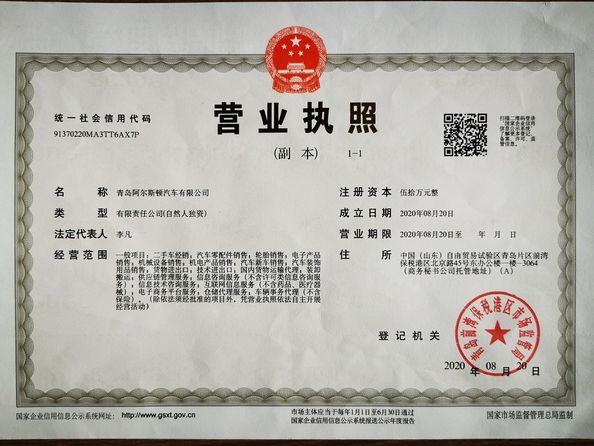
Pour les acheteurs de matériaux de construction, Qingdao Alston Motors confirme généralement la composition du fret, la longueur de la carrosserie, l'état du châssis, l'état des pneus et la méthode de chargement avant de recommander un camion cargo HOWO remis à neuf pour l'exportation. Cela permet d'éviter de choisir un camion qui semble approprié sur les photos mais qui ne correspond pas à une utilisation réelle sur le chantier.
8. Comparez le prix, le niveau de remise à neuf, les documents d'exportation, la méthode d'expédition et le support après-vente
Le camion cargo HOWO le mieux utilisé n’est pas toujours l’unité la moins chère ; c'est le camion avec la bonne configuration, un état éprouvé et un support clair à l'exportation.
Un camion cargo HOWO d'occasion en provenance de Chine se situe généralement autour deFOB 17 000-28 000 USD par unité, en fonction du type de transmission, de la puissance, de la longueur de la carrosserie, de l'état des pneus, de l'année, du niveau de remise à neuf et de la disponibilité des stocks. Les acheteurs doivent comparer ce qui est inclus : test du moteur, inspection des freins, réparation de la carrosserie, réparation de l'intérieur de la cabine, remplacement des pneus, repeinture, batterie, lumières et préparation au chargement.
Pour les modèles disponibles, les acheteurs peuvent comparercamions de fret HOWO remis à neuf pour l'exportation. S'ils doivent encore choisir entre des camions de fret, des camions à benne basculante et des camions tracteurs,camions HOWO d'occasion en Chineest un meilleur point de départ. Pour connaître l'historique des fournisseurs, consultezExpérience d’exportation d’Alston Motors. Pour un devis confirmé, les acheteurs peuventdemander une vidéo d'inspection d'un camion de fretavant expédition.
Avant l'expédition, confirmez la facture commerciale, la liste de colisage, le numéro de châssis, le numéro de moteur, les détails du connaissement, le port de destination, la méthode de chargement et la demande de pièces de rechange. Qingdao Alston Motors peut fournir des photos d'inspection, des vidéos en cours d'exécution, une confirmation de remise à neuf et une coordination d'expédition pour les acheteurs qui ont besoin de camions de fret HOWO pour la livraison de matériaux de construction en Afrique et sur d'autres marchés d'exportation.
FAQ
Un camion cargo HOWO d'occasion est-il bon pour le transport de matériaux de construction ?
Oui. Il convient aux sacs de ciment, aux briques, aux tuiles, aux planches, aux pièces en acier et aux matériaux de construction emballés lorsque la charge utile, la longueur de la carrosserie, les pneus, la suspension et l'arrimage de la cargaison sont correctement vérifiés.
Dois-je choisir 4x2, 6x4 ou 8x4 ?
Choisissez le 4x2 pour une livraison sur route pavée plus légère, le 6x4 pour les matériaux de construction mixtes plus lourds et le 8x4 pour le transport plus lourd sur de longues distances ou sur routes accidentées lorsque les règles locales le permettent.
Un camion cargo est-il meilleur qu’un camion plateau ?
Un camion cargo est préférable pour les matériaux mélangés et protégés. Un plateau est préférable pour les palettes longues en acier, en bois, sur échafaudages et chargées par grue.
Que dois-je inspecter avant d’acheter ?
Vérifiez le démarrage du moteur, la fumée, la boîte de vitesses, l'embrayage, les freins, le châssis, la suspension, les pneus, le plancher de chargement, les parois latérales, les serrures, les lumières et les commandes de la cabine.
Quelle carrosserie est la meilleure pour les zones pluvieuses ?
Une caisse ou une caisse à parois latérales avec support de bâche est préférable pour les matériaux sensibles à la pluie tels que le ciment, les carreaux, le contreplaqué et les plaques de plâtre.
Qu’est-ce qui affecte le plus le prix ?
Le type de transmission, la puissance, la longueur de la carrosserie, l'état des pneus, l'année, l'état du moteur, le niveau de remise à neuf, la méthode d'expédition et l'emballage des pièces de rechange affectent le prix final.
Que doivent demander les acheteurs avant l’expédition ?
Demandez des vidéos d'inspection, le numéro de châssis, le numéro de moteur, les photos de la carrosserie, l'état des pneus, les tests de freinage, les documents d'exportation, les photos de chargement et le calendrier d'expédition.
Écrit par : l’équipe éditoriale d’Alston Motors
Révisé par : Équipe d'exportation et technique
Entreprise: Qingdao Alston Motors Co., Ltd
À propos de l’équipe éditoriale d’Alston Motors :
L'équipe éditoriale d'Alston Motors partage des informations pratiques sur les camions, semi-remorques, véhicules utilitaires, voitures d'occasion et solutions d'exportation HOWO remis à neuf pour l'Afrique et d'autres marchés en développement. Le contenu est basé sur l'expérience de l'entreprise en matière d'inspection des véhicules, de remise à neuf, de coordination des exportations, de support en matière de pièces de rechange et de service client pour les acheteurs étrangers.

 Votre message doit contenir entre 20 et 3 000 caractères!
 French