Semi-remorque surbaissée ou remorque à plateau : quel est le meilleur pour le transport de machines de construction ?
Pour le transport de machines de construction lourdes, une semi-remorque surbaissée est généralement meilleure qu'une remorque à plateau car elle offre une hauteur de pont plus basse, des rampes de chargement plus sûres et un support de charge concentré plus solide. Une remorque à plateau est plus adaptée aux machines plus légères, aux conteneurs, aux structures en acier, aux canalisations et au transport de marchandises mixtes.
1. Faites correspondre le poids des machines avec la capacité de charge utile de la remorque
La première décision n'est pas le type de remorque, mais plutôt la question de savoir si la remorque peut supporter en toute sécurité le poids opérationnel réel de la machine.
Une chargeuse sur pneus de 20 tonnes, une excavatrice de 30 tonnes et un bulldozer de 45 tonnes créent des contraintes très différentes sur le châssis de la remorque. Les accessoires tels que les brise-roches, les godets, les lames et les contrepoids doivent être inclus dans le poids total de transport avant de sélectionner une remorque.
Une remorque à plateau standard est généralement plus adaptée pour 30 à 40 tonnes de marchandises distribuées. Pour les machines sur chenilles concentrées de plus de 40 tonnes, les acheteurs devraient envisagersemi-remorques surbaissées pour le transport de machines lourdescar le pont renforcé, la disposition à plusieurs essieux et la plate-forme inférieure sont conçus pour le déplacement d'équipements lourds.
2. Comparez la hauteur de transport et le centre de gravité
Une remorque surbaissée est plus sûre pour les machines de grande taille car elle abaisse la hauteur totale de transport et améliore la stabilité de conduite.
De nombreuses routes autoroutières utilisent une limite de dégagement pratique d'environ 4,0 à 4,5 mètres. Si une pelle de 3,2 mètres est chargée sur un plateau de 1,5 mètre, la hauteur totale peut atteindre environ 4,7 mètres avant de tenir compte de la compression des pneus, de la pente de la route et de la tolérance de chargement.
Une remorque surbaissée a généralement une hauteur de plateau d'environ 850 à 1 200 mm. Cela contribue à réduire le risque de collision avec un pont, abaisse le centre de gravité et améliore la stabilité dans les virages, au freinage et lors des déplacements sur route accidentée. Pour les combinaisons lourdes, de nombreux acheteurs associent la remorque à uncamion tracteur HOWO 6x4 d'occasionpour le transport d'engins de chantier.
3. Comparez la méthode de chargement : rampes surbaissées et chargement par grue à plat
Une remorque surbaissée est généralement plus pratique pour les machines automotrices car elle peut être chargée par des rampes arrière ou un col de cygne amovible.
Les excavatrices, bulldozers, rouleaux, niveleuses et chargeuses peuvent souvent être conduits directement sur une remorque surbaissée. Un angle de rampe d'environ 12 à 15 degrés est plus facile et plus sûr pour les machines sur chenilles qu'une forte pente de chargement improvisée.
Une remorque à plateau nécessite normalement une grue, un quai de chargement ou une rampe de terre temporaire pour le chargement des machines. Cela peut être acceptable dans les ports ou les chantiers navals, mais cela devient coûteux et risqué sur les chantiers de construction éloignés. La location de grues, le temps d'attente et les cycles de chargement répétés peuvent réduire les bénéfices du projet.
| Article de comparaison |
Semi-remorque surbaissée |
Remorque à plateau |
| Hauteur de pont typique |
850-1 200 mm |
1 400 à 1 500 mm |
| Méthode de chargement |
Rampes arrière / col de cygne amovible |
Grue, quai ou rampe temporaire |
| Meilleur type de charge utile |
Excavatrices, bulldozers, machinerie lourde |
Conteneurs, tuyaux, acier, machines légères |
| Support de charge concentré |
Plus fort |
Limité |
| Flexibilité des liaisons de retour |
Inférieur |
Plus haut |
4. Tenez compte de l’état de la route et de la garde au sol
Une remorque surbaissée n'est pas toujours meilleure si l'itinéraire comprend des routes minières accidentées, des ornières profondes et un accès difficile au site.
Les remorques surbaissées ont une garde au sol inférieure. Sur les routes d'accès difficiles, le tablier ou la structure arrière peut racler le sol, en particulier lors du franchissement de bosses, d'accotements meubles, de rampes de chantier minier ou de routes temporaires inégales.
Pour les machines plus légères et les livraisons sur des sites difficiles, une remorque à plateau robuste peut être plus facile à utiliser car elle offre un dégagement de pont plus élevé. Les acheteurs qui ont besoin à la fois de machines et de transports de marchandises diverses peuvent comparerremorques plateaux pour le transport de conteneurs et de machinesavant de choisir une flotte fixe surbaissée.
5. Comparez la polyvalence de la flotte et les revenus de liaison
Une remorque à plateau est plus polyvalente, tandis qu'une remorque surbaissée est plus spécialisée.
Les remorques à plateau équipées de verrous tournants pour conteneurs peuvent transporter des conteneurs de 20 pieds, des conteneurs de 40 pieds, des bobines d'acier, des tuyaux, du bois, des matériaux de construction et de petites machines. Cela améliore les revenus de transport car le camion n'a pas besoin de revenir vide après la livraison des machines.
Les remorques surbaissées conviennent mieux aux excavatrices, aux bulldozers, aux appareils de forage, aux concasseurs et aux équipements surdimensionnés, mais elles offrent souvent moins d'options de transport de marchandises. Pour les petites flottes, cela est important car une remorque spécialisée peut générer un kilométrage aller-retour à vide plus important.
Les acheteurs planifiant des travaux de transport mixte peuvent consulter unguide de transport de machinerie lourdeavant de décider si une flotte de remorques surbaissées, à plat ou mixtes est plus rentable.
6. Vérifiez le faisceau principal, les essieux, la suspension et les pneus
La structure de la remorque détermine si elle peut survivre au transport répété de machines lourdes.
Les acheteurs doivent vérifier la hauteur de la poutre principale, l'épaisseur de l'acier, la qualité du soudage, l'espacement des traverses, la capacité des essieux, le type de suspension, la taille des pneus et le système de freinage. Pour les équipements lourds, des essieux de 13 ou 16 tonnes, une suspension renforcée et des poutres principales plus solides sont généralement plus adaptés que les spécifications des remorques légères.
La peinture fraîche peut masquer les fissures, les soudures réparées et la déformation du cadre. Avant l'achat, inspectez le col de cygne, le faisceau principal, la charnière de rampe arrière, le siège d'essieu, la plaque de pivot d'attelage et les supports de suspension. Les acheteurs comparant des combinaisons de transport complètes peuvent également consultersemi-remorques pour le transport de construction africainavant de choisir les configurations de remorque surbaissée, à plateau, à benne ou à conteneur.
7. Inspectez le pivot d'attelage, le col de cygne, les rampes et le système de freinage
Une remorque surbaissée ou à plateau d'occasion doit être contrôlée aux points de connexion où la contrainte de transport est la plus élevée.
L'usure du pivot d'attelage doit être mesurée, en particulier sur les systèmes de pivot d'attelage de 50 mm ou 90 mm. La plaque de contact de la sellette d'attelage ne doit pas présenter de rainures profondes, de soudures anormales ou de déformation importante. Les soudures en col de cygne sont essentielles sur les remorques surbaissées car elles subissent des contraintes de flexion élevées pendant le chargement et le freinage.
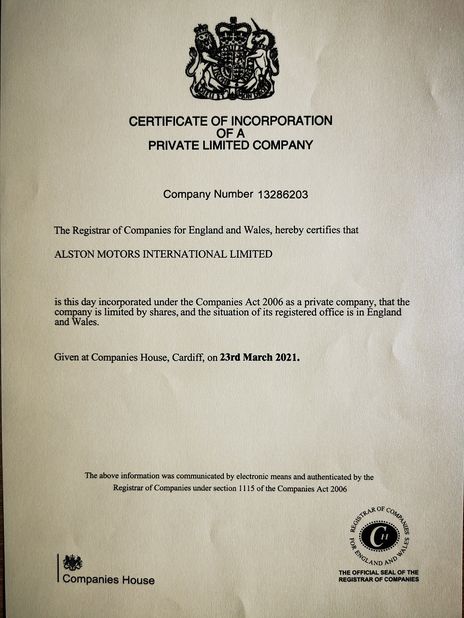
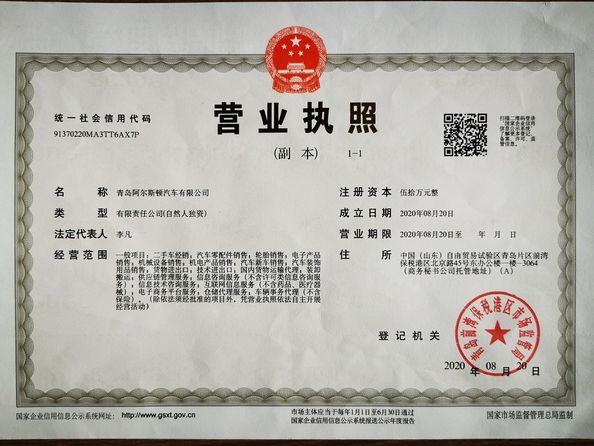
Les rampes doivent être testées sous charge. Les vérins hydrauliques, les ressorts de rampe, les goupilles de verrouillage, les arbres de charnière, les conduites d'air, les récepteurs de frein et le câblage ABS doivent être vérifiés avant l'expédition. Qingdao Alston Motors vérifie l'état structurel, la fonction de chargement, la réponse des freins, la documentation d'exportation et l'état de préparation avant expédition des remorques d'occasion avant la livraison.
Les acheteurs peuvent examinerExpérience d'inspection et d'exportation de Qingdao Alston Motorscomprendre comment les remorques et les ensembles camion-remorque d'occasion sont évalués avant l'exportation.
| Zone d'inspection |
Que vérifier |
Risque acheteur |
| Pivot principal |
Usure 50 mm / 90 mm, état plaque |
Sellette d'attelage dangereuse |
| Col de cygne |
Fissures de soudure, déformation, renforcement |
Défaillance structurelle sous charge |
| Faisceau principal |
Pliage, torsion, fissures réparées |
Mauvaise durabilité à long terme |
| Rampes |
Cylindre, ressort, charnière, goupille de verrouillage |
Chargement et déchargement dangereux |
| Freins |
Fuites d'air, chambres, câblage ABS |
Faible freinage sous forte charge |
8. Choisissez par type de machine et itinéraire de transport
La meilleure remorque dépend du type de machine, de la limite de hauteur du parcours, de l'état de la route et du fret de retour prévu.
Pour les excavatrices de plus de 20 tonnes, les bulldozers, les concasseurs, les plates-formes de forage et les machines de grande taille, une remorque surbaissée est généralement plus sûre. Il réduit la hauteur totale, supporte mieux les charges concentrées et permet un chargement plus facile de la machine.
Pour les rouleaux compacts, les chariots élévateurs, les petites chargeuses, les conteneurs, les tuyaux, les poutres en acier et les marchandises mixtes, une remorque à plateau peut offrir un meilleur retour sur investissement global. Il est plus facile à réutiliser pour différents travaux de transport et peut améliorer l'utilisation de la flotte.
| Besoin de transport |
Meilleur choix de remorque |
Raison |
| pelle de 30 tonnes |
Semi-remorque surbaissée |
Hauteur inférieure et pont plus solide |
| Bulldozer avec lame |
Semi-remorque surbaissée |
Chargement plus sûr et meilleure stabilité |
| Petit chargeur + retour de marchandise |
Remorque plateau |
Meilleure flexibilité de liaison |
| Conteneurs 20 pieds / 40 pieds |
Remorque plateau |
Serrures tournantes et pont ouvert |
| Équipement minier sur autoroute |
Semi-remorque surbaissée |
Meilleur contrôle de la hauteur |
| Cargaison mixte de construction |
Remorque plateau |
Utilisation plus polyvalente |
9. Recommandation finale pour le transport des engins de construction
Pour les engins de construction lourds, choisissez une semi-remorque surbaissée lorsque la sécurité, le contrôle de la hauteur et l'indépendance de chargement sont les plus importants.
Une remorque surbaissée est le meilleur choix pour les excavatrices, les bulldozers, les concasseurs, les équipements miniers et les machines surdimensionnées. Il réduit la hauteur de transport, abaisse le centre de gravité et évite les coûts de chargement répétés par grue.
Une remorque à plateau est préférable lorsque la flotte doit également transporter des conteneurs, des tuyaux, de l'acier, des matériaux de construction et des machines plus légères. Pour les acheteurs en Afrique, au Moyen-Orient, en Asie centrale et en Amérique du Sud, la meilleure solution peut être une remorque surbaissée pour les équipements lourds et une remorque à plateau pour les travaux de marchandises mixtes.
Pour confirmer les dessins de la remorque, la capacité de charge utile, la configuration des essieux, les rampes de chargement, le camion tracteur correspondant et les options d'expédition, les acheteurs peuventcontacter Qingdao Alston Motorsavant l'achat.
Foire aux questions
Une remorque surbaissée est-elle meilleure qu’une remorque à plateau pour excavatrices ?
Oui. Une remorque surbaissée est généralement meilleure pour les excavatrices car elle possède un pont plus bas, un meilleur centre de gravité, un support de charge plus concentré et des rampes de chargement intégrées.
Une remorque à plateau peut-elle transporter une pelle de 30 tonnes ?
Il n'est pas recommandé pour la plupart des itinéraires. Une excavatrice de 30 tonnes peut dépasser les limites de hauteur de sécurité lorsqu'elle est chargée sur un plateau, et le chargement nécessite généralement une grue ou une rampe spéciale.
Quel angle de rampe convient au chargement de machines sur chenilles ?
Un angle de rampe d’environ 12 à 15 degrés est généralement plus sûr pour les pelles sur chenilles et les bulldozers. Des rampes plus raides augmentent le risque de glissade et rendent le chargement plus difficile.
Pourquoi certaines remorques surbaissées utilisent-elles des cols de cygne amovibles ?
Un col de cygne amovible permet à l'avant de la remorque de s'abaisser jusqu'au sol, créant ainsi un chemin de chargement frontal plus sûr pour les machines lourdes.
Quelle remorque est la meilleure pour le transport de marchandises mixtes ?
Une remorque à plateau convient mieux aux marchandises mixtes car elle peut transporter des conteneurs, des tuyaux, des structures en acier, du bois, des petites machines et des matériaux de construction.
Les remorques surbaissées nécessitent-elles des permis spéciaux ?
Ils peuvent avoir besoin d'un permis si la largeur, la hauteur, la longueur ou le poids total du transport dépasse les limites légales locales. Les acheteurs doivent vérifier les réglementations en matière d'itinéraire avant de déplacer des machines surdimensionnées.
Que dois-je inspecter avant d’acheter une remorque surbaissée d’occasion ?
Vérifiez le col de cygne, le pivot d'attelage, le faisceau principal, les rampes, les sièges d'essieu, la suspension, les chambres de frein, les pneus, les conduites d'air et les soudures réparées avant l'achat.
Un camion tracteur HOWO d'occasion peut-il tirer une remorque surbaissée ?
Oui. Un camion tracteur HOWO 6x4 d'occasion est couramment utilisé avec des remorques surbaissées pour le transport de machines de construction, mais les acheteurs doivent confirmer la puissance du moteur, la hauteur de la sellette d'attelage, la taille du pivot d'attelage, la charge par essieu et la compatibilité des freins.
Écrit par :Équipe éditoriale d’Alston Motors
Révisé par :Equipe Export & Technique
Entreprise:Qingdao Alston Motors Co., Ltd.
À propos de l’équipe éditoriale d’Alston Motors :
L'équipe éditoriale d'Alston Motors partage des informations pratiques sur les camions, semi-remorques, véhicules utilitaires, voitures d'occasion et solutions d'exportation HOWO remis à neuf pour l'Afrique et d'autres marchés en développement. Le contenu est basé sur l'expérience de l'entreprise en matière d'inspection des véhicules, de remise à neuf, de coordination des exportations, de support en matière de pièces de rechange et de service client pour les acheteurs étrangers.

 Votre message doit contenir entre 20 et 3 000 caractères!
 French