Specs That Matter: Determining Wall and Floor Thickness for Aggregate Dump Semi Trailers
For aggregate dump semi trailers, floor and wall thickness must match cargo size, loading impact, abrasion, and steel grade. A 6mm floor suits controlled sand loading, while 8mm is a practical starting point for gravel. Heavy quarry rock may require 10mm or engineered wear-resistant steel. Buyers should verify material specifications, body construction, and actual thickness before shipment.
1. How Do Aggregate Size, Abrasion, and Loading Conditions Affect Plate Thickness?
Aggregate size, loading impact, and abrasion determine the required floor thickness more accurately than payload weight alone. Sand distributes pressure relatively evenly, while angular crushed stone produces sliding abrasion. Large quarry rocks create concentrated impact loads capable of permanently deforming a floor that lacks sufficient plate strength or structural support.
Consider two trailers carrying 40 tons. One transports screened sand loaded through a controlled conveyor; the other receives crushed granite from a wheel loader. Their total cargo weights are identical, but floor impact and wear conditions differ substantially. Buyers comparing aggregate dump semi trailers should specify maximum rock size, loading height, material density, and anticipated tipping cycles before selecting steel thickness.
2. Is a 6mm, 8mm, or 10mm Floor Best for Sand, Gravel, and Crushed Rock?
A 6mm floor is a sensible starting specification for controlled sand transport, 8mm suits many gravel applications, and 10mm or thicker conventional plate warrants consideration for severe rock loading. These are preliminary selections for framed structural-steel bodies, not universal minimum standards. Final thickness depends on steel properties, support spacing, individual rock weight, and loading impact.
| Aggregate Application |
Floor Thickness |
Side Wall Thickness |
Main Selection Factor |
| Sand and fine aggregate |
6mm |
4–5mm |
Controlled loading, moderate abrasion |
| Gravel and mixed aggregate |
8mm |
5–6mm |
Repeated wear and impact |
| Coarse crushed quarry rock |
10–12mm |
6–8mm |
Higher localized impact |
| Severe abrasive rock |
Engineered wear-resistant plate |
Design-specific |
Steel grade, impact toughness, support design |
These figures are procurement comparison ranges, not certified design limits. The manufacturer must validate the finished body for its intended duty.
For comparison, an existing 3-axle dump semi trailer specification lists an 8mm bottom plate and 6mm body thickness. Such published dimensions provide a reference for quotation evaluation but do not establish suitability for oversized quarry rock.
3. What Side Wall, Front Wall, and Tailgate Thickness Should Buyers Choose?
Side walls, front walls, and tailgates should have separately defined thicknesses because their loading stresses are different. For conventional gravel bodies, 5–6mm side walls provide a useful starting point. Heavy rock applications require a separate assessment of side-wall stiffness, lower-wall abrasion, and the stresses transmitted through the front and rear structures.
The front wall receives concentrated forces during loading and sudden braking. The tailgate experiences retaining pressure and sliding abrasion during discharge. Buyers should request individual specifications for these components, including hinge mounting plates, locking mechanisms, and reinforcement around the rear opening. A 10mm floor cannot compensate for poorly supported side walls or undersized tailgate hinges.
4. Can High-Strength or Wear-Resistant Steel Reduce the Required Plate Thickness?
Wear-resistant steel can permit thinner plates in a properly engineered aggregate body, reducing tare weight while maintaining the required resistance to abrasion and denting. However, structural strength and wear resistance are different properties. Q345-class structural steel, NM-series wear plate, and Hardox grades should not be treated as interchangeable solely because their thicknesses match.
SSAB's modern tipper body design guidelines illustrate this distinction. For half-round bodies using Hardox 500 Tuf, the guidance identifies different floor thicknesses for individual rocks weighing 50–100kg and 300–700kg. Those recommendations apply specifically to the stated material and design.
The purchasing requirement is straightforward: verify steel grade, mechanical properties, material certificates, and approved fabrication procedures before reducing plate thickness. For a broader material comparison, see Hardox vs. High-Tensile Steel for Dump Semi Trailer Boxes.
5. Which High-Impact and High-Wear Areas Need Extra Reinforcement?
Reinforcement should protect concentrated impact and abrasion zones rather than simply increasing steel thickness throughout the entire body. The most important locations are the initial loading impact area, lower side-wall transitions, and rear floor section where aggregate slides during discharge.
Large rocks can cause local dents during loading, while repeated tipping gradually removes material from the discharge path. Depending on body design, localized wear liners, impact plates, and reinforced connections can address these different stresses without adding unnecessary weight everywhere.
Inspect the front-floor section, floor-to-wall welds, and rear discharge edge for dents, grooves, cracked seams, and previous repairs. Reinforcement position and attachment methods must appear on the approved manufacturing drawings. Unsupported patch plates or poorly terminated welds can introduce additional fatigue problems.
6. How Do Floor Supports, Body Design, and Weld Quality Prevent Cracking and Deformation?
A well-supported floor with properly executed welds can provide better durability than a thicker plate installed over an inadequate frame. Crossmember spacing, support-section dimensions, weld placement, and body geometry determine how loading forces pass from the steel floor into the trailer structure.
For framed bodies, buyers should compare actual support spacing against engineering drawings and inspect connections near the rear hinges and tipping mechanism. Wider unsupported areas increase plate deflection under concentrated loading. A U-shaped body distributes stresses differently from a rectangular body, but neither configuration eliminates the need for structural verification.
Weld inspection should cover undercut, visible cracking, incomplete joints, and distortion. Critical connections may require nondestructive testing where specified in the inspection plan. Acceptable weld quality must be defined before production, not negotiated after defects appear.
7. How Much Do Thicker Steel Plates Reduce Legal Payload Capacity?
Increasing steel thickness reduces available payload whenever the combination operates at its legal gross-weight limit. The additional mass can be calculated before purchasing, allowing buyers to compare protection against lost carrying capacity.
Steel weighs approximately 7.85kg per square meter for each millimeter of thickness.
For a floor measuring 8.0m × 2.3m:
Increasing the same floor from 8mm to 10mm adds another 289kg, excluding reinforcements and fabrication changes.
A documented SSAB and KH-Kipper case study reports approximately 500kg of body-weight reduction through redesigned components and Hardox 450. This is a specific manufacturing example, not a guaranteed saving for every trailer.
Before finalizing thickness, obtain the actual trailer tare weight and check legal gross weight, axle loads, kingpin load, and tire capacities. Nominal axle ratings alone do not establish permitted road payload.
8. How Can Buyers Verify Actual Plate Thickness, Steel Grade, and Weld Quality Before Shipment?
Steel thickness must be measured on the finished trailer and matched against the purchase contract before shipment approval. Quotations, painting photographs, and supplier descriptions cannot independently prove that the specified plate grade or thickness was installed.
Measurements should cover several floor positions, both side walls, the front wall, and tailgate. Accessible clean plate edges can be checked directly. Calibrated ultrasonic testing provides additional verification where edge access is limited, provided surface condition and coating are properly accounted for.
| Inspection Item |
Required Evidence |
| Floor thickness |
Measurements at five or more agreed locations |
| Wall and tailgate thickness |
Separate measurements for each component |
| Steel grade |
Mill certificate and traceable material identification |
| Floor supports |
Actual dimensions and spacing against drawings |
| Welded connections |
Visual inspection and specified testing records |
| Body weight |
Weighbridge record for the completed trailer |
| Hydraulic system |
Controlled lifting, lowering, and leakage inspection |
The contract should identify nominal thickness, applicable plate standard, dimensional tolerances, inspection locations, and rejection criteria. A measured difference must be evaluated against the agreed standard rather than an arbitrary allowance.
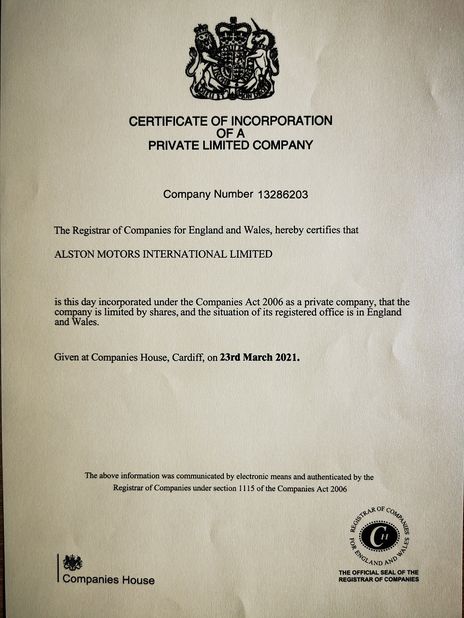
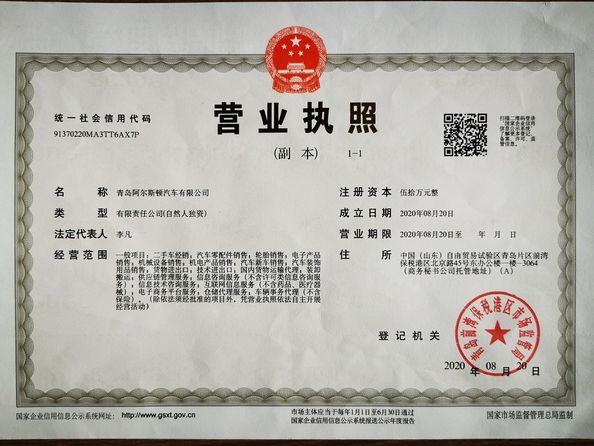
Qingdao Alston Motors recommends treating plate verification, structural inspection, and functional testing as separate acceptance requirements for aggregate dump semi trailers. Buyers can review the company's inspection and export background when evaluating the supplier's broader quality-control approach.
Related YouTube Video: HOWO Dump Body Hydraulic Lifting Test
This recorded HOWO dump truck lifting inspection demonstrates a related hydraulic testing procedure. It is not a plate-thickness test or an inspection of the aggregate semi trailer discussed here.
9. What Floor and Wall Thickness Offers the Best Balance of Durability, Payload, and Cost?
The best aggregate dump semi trailer uses enough steel to withstand its actual loading conditions without sacrificing unnecessary payload or increasing long-term repair costs. For conventional framed bodies, 6mm floors with 4–5mm walls are suitable initial selections for controlled sand transport, while 8mm floors with 5–6mm walls deserve consideration for general gravel operations.
Heavier, angular quarry rock requires an engineered impact-resistant specification, potentially involving 10–12mm conventional floors or appropriately selected wear-resistant steel. The final decision must account for body supports, material traceability, loading frequency, and permissible road weight.
Before comparing prices, request the same steel grade, dimensions, reinforcement layout, tare-weight basis, and inspection conditions from each supplier. Otherwise, quotations may describe materially different products.
For project-specific technical discussions, Qingdao Alston Motors can review the intended aggregate, payload target, body dimensions, and requested plate specifications. Buyers can request a dump semi trailer specification review before confirming a manufacturing order.
Frequently Asked Questions
1. Is a 6mm floor suitable for an aggregate dump semi trailer?
Yes, for an appropriately engineered body carrying sand or fine aggregate under controlled loading. Severe rock impact requires a different design assessment.
2. Is an 8mm floor enough for crushed stone?
An 8mm structural-steel floor is a practical starting point for many crushed-stone applications, provided impact conditions and structural supports are verified.
3. Does a 10mm floor guarantee better durability?
No. Steel grade, weld quality, abrasion resistance, and support design also determine floor performance.
4. What side wall thickness is suitable for gravel transport?
A 5–6mm side wall is a useful initial specification for conventional gravel bodies, subject to loading and structural requirements.
5. Can Hardox steel reduce trailer weight?
Yes. Properly engineered Hardox designs can use optimized plate thicknesses, although actual savings depend on the complete body construction.
6. How should buyers verify steel thickness before shipment?
Require calibrated measurements, material certificates, approved drawings, inspection photographs, and documented acceptance results.
7. What should a steel thickness purchase contract include?
Specify each component's steel grade, nominal thickness, applicable tolerances, approved reinforcement layout, inspection methods, and acceptance criteria.
Written by: Bruce Li, Export Consultant
Reviewed by: Alston Motors Export & Technical Team
Company: Qingdao Alston Motors Co., Ltd

 Votre message doit contenir entre 20 et 3 000 caractères!
 French